For Jung-hyun, saying one simple word was a meaningful milestone.
Jung-hyun (pseudonym) is a child in South Korea living with Angelman syndrome, a rare neurological disorder that affects development and communication. He also experiences seizures and needs ongoing therapy and close care in his daily life.
Through GFoundation’s Korean Child Sponsorship Program, Jung-hyun receives consistent monthly support that helps cover the cost of his developmental and speech therapy.
But sponsorship is not only about financial assistance. It is also about walking alongside a child over time through care, updates, letters, and meaningful connection.
Connecting Children with the Support They Need
GFoundation is working with local social service organizations across South Korea to identify children and families who need additional support.
These local partners work directly with families in their communities. Social workers assess each child’s situation, coordinate services, and stay in close contact with families over time.
Jung-hyun was connected to GFoundation’s sponsorship program through one of these partner organizations.
Through the program, sponsors provide monthly support for a child’s identified needs. Sponsors may also stay connected through letters, updates, and special gifts, helping children and families know that someone is consistently standing beside them.
This long-term connection is especially meaningful for children whose needs cannot be addressed through one-time assistance alone.
Why Consistent Support Matters
According to the social worker who works closely with Jung-hyun’s family, children who need long-term therapy often require support that continues over time.
Therapy may continue for years. At the same time, frequent hospital visits, therapy appointments, and daily caregiving responsibilities can make it difficult for a parent to maintain regular employment.
For families like Jung-hyun’s, consistent monthly support can help make continued care more manageable.
Living with Ongoing Care Needs
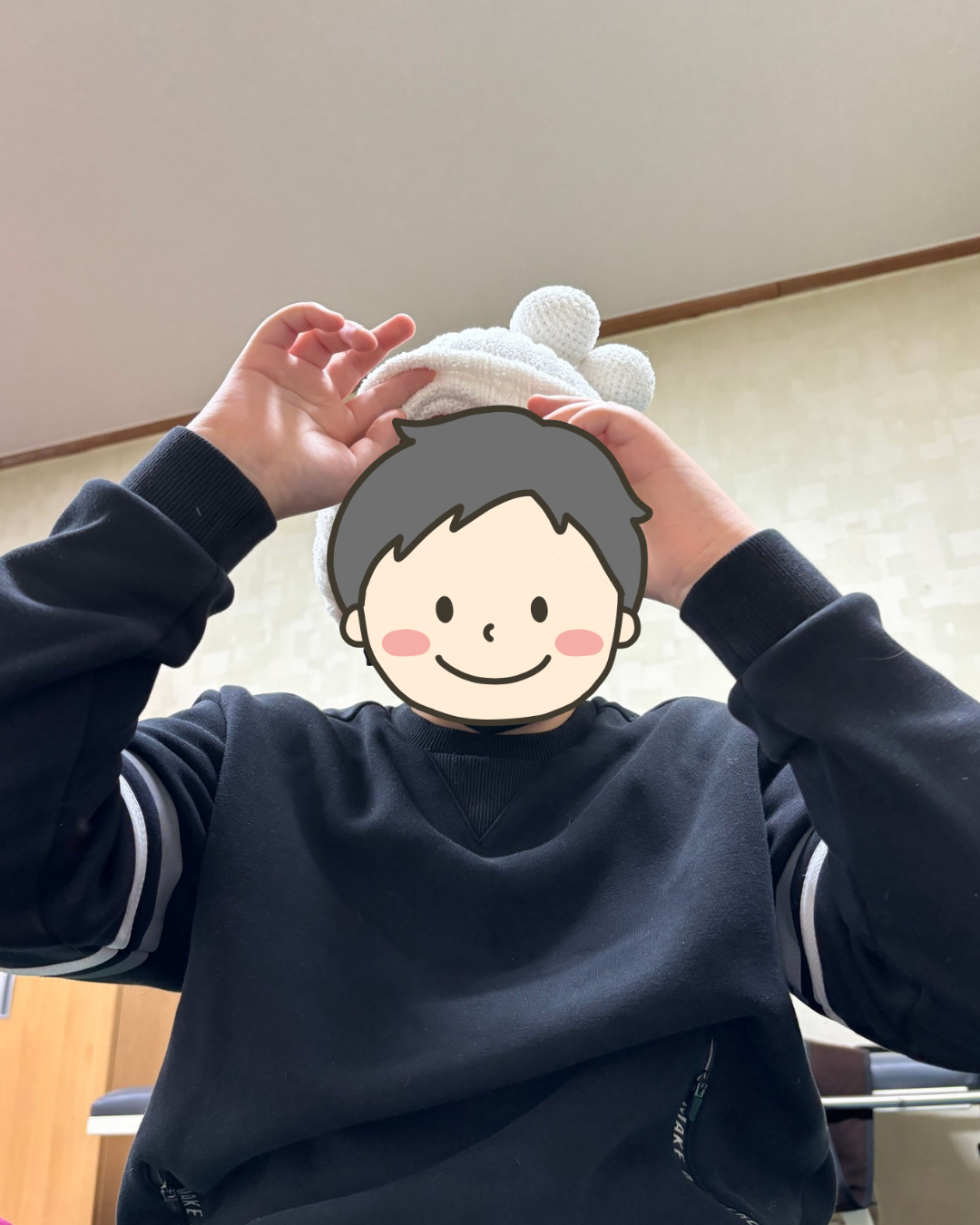
Jung-hyun lives with his mother and older sister.
Because of his seizures and developmental needs, he regularly visits hospitals and therapy centers. His mother is his primary caregiver, and the time required for his appointments and daily care has made regular employment difficult.
His seizures also affect his everyday activities. School and outings can be challenging, and much of his routine currently centers around attending school and receiving therapy.
The demands of ongoing care have affected the whole family. As much of the family’s time, attention, and financial resources have been focused on Jung-hyun’s care, his older sister has also experienced emotional challenges.
This is why support for one child can have meaning for an entire family.
A Small Word, a Meaningful Milestone
Jung-hyun’s monthly sponsorship support is used for developmental and speech therapy.
For a long time, he often communicated through gestures rather than words. Recently, after continuing therapy, he responded to a greeting by saying, “Hello.”
It was just one word.
But to his family, teachers, and social worker, it was an encouraging sign of progress.
There is no single timeline for a child’s development. For Jung-hyun, consistent therapy gives him opportunities to practice communication skills and continue developing at his own pace.
Monthly sponsorship helps his family continue that care.
More Than a Donation: A Relationship of Care
The support Jung-hyun receives has helped ease some of the financial pressure associated with his ongoing therapy.
With some of that burden reduced, his mother has been able to continue focusing on his care while also having more room to consider the needs of Jung-hyun’s older sister.
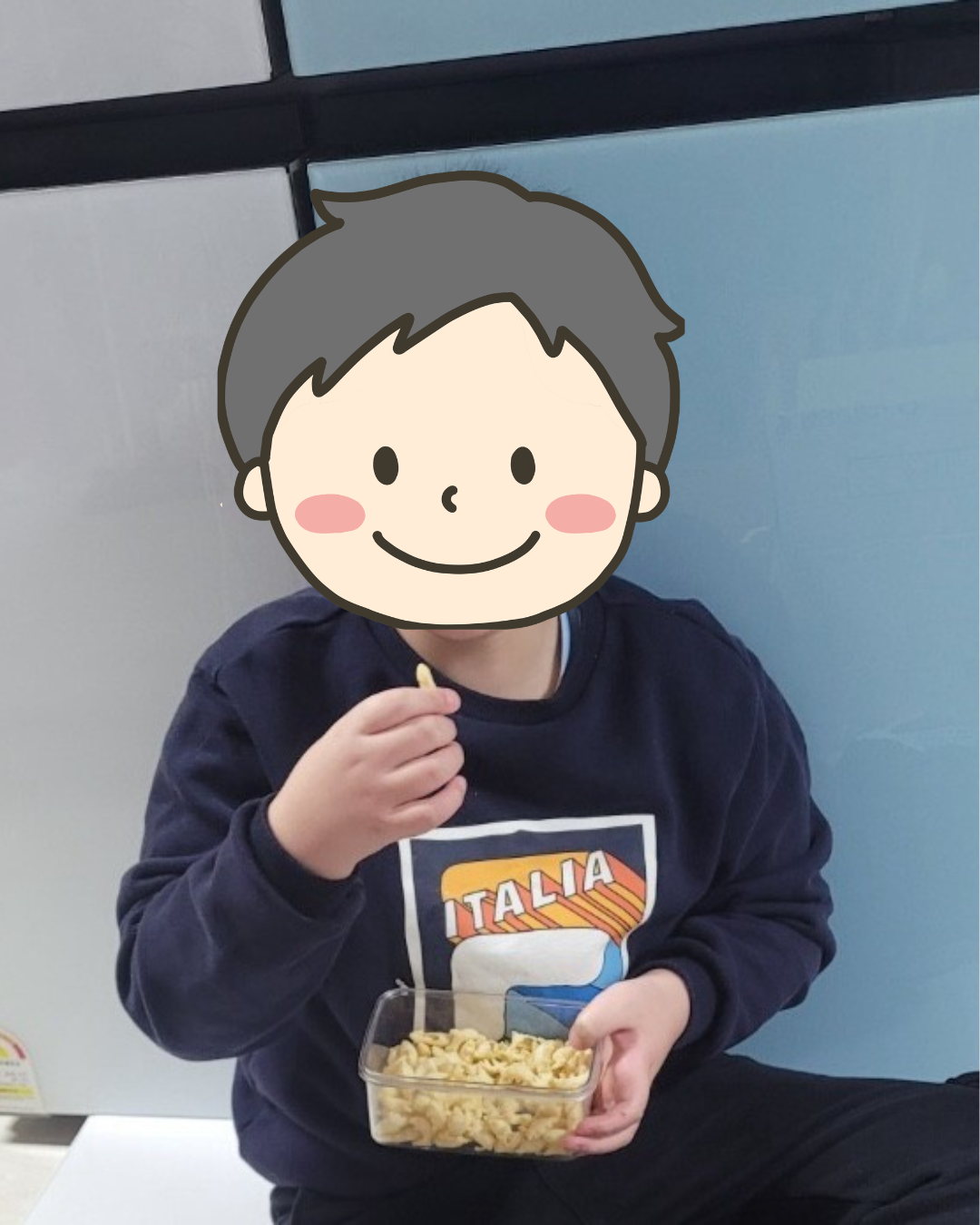
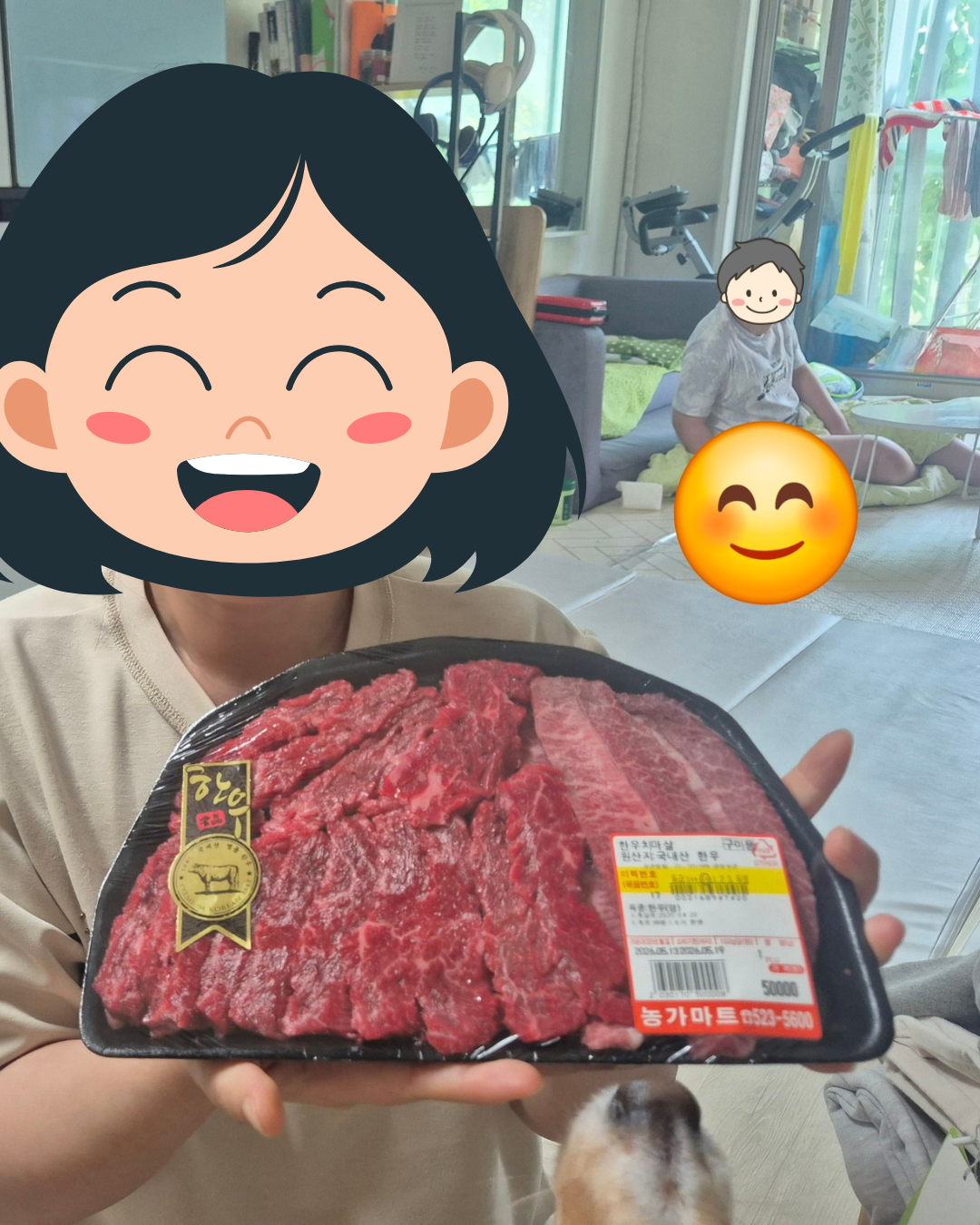
Recently, Jung-hyun’s sponsor also sent the family a special gift of food to enjoy together at home. Because eating out can be difficult for Jung-hyun, the family was able to share a special meal in a familiar and comfortable environment.
It was a simple experience, but one that brought the family together.
For Jung-hyun’s family, the sponsor’s care is felt not only through monthly support, but also through gestures that remind them they are not alone.
What the Social Worker Wants Sponsors to Know
The social worker supporting Jung-hyun’s family recently read a letter from his sponsor.
In the letter, the sponsor shared that life had not always been easy and that giving had not always been financially possible. After becoming more stable, the sponsor decided to begin supporting a child again.
The message stayed with the social worker.
It was a reminder that sponsorship is not only about how much someone can give. It is about choosing to consistently stand beside a child and family.
As someone who sees the children and families receiving support firsthand, the social worker shared deep appreciation for the sponsors who help children continue therapy, experience meaningful moments, and receive the care they need.
Helping Children Grow at Their Own Pace
Jung-hyun still needs ongoing therapy and care.
But he is continuing to learn and grow, one step at a time.
Through GFoundation’s Korean Child Sponsorship Program, donors can provide consistent monthly support to children in South Korea who face financial and family challenges.
GFoundation works with local partner organizations and social workers who know the children and families directly, helping connect sponsorship support with each child’s identified needs.
For Jung-hyun, that support means being able to continue therapy.
For his family, it means knowing that they do not have to carry every part of the journey alone.
And sometimes, progress begins with something as simple—and as meaningful—as one word.
Sponsor a child in Korea today and help provide consistent care, connection, and hope for a child’s future.
Your support helps children like Junsu and Minyoung grow in stable environments—
by meeting the essential needs that allow them to focus on learning, healing, and building their future.
| Sponsor a Child in Korea
- Become a Monthly Donor – Provide consistent, long-term support for a child’s education, emotional well-being, and daily needs—continuing through age 24 as they transition into adulthood.