What Is Period Poverty?
For most people, menstrual products are a regular part of everyday life. But for many girls and women across the United States, access to these essential items is not always guaranteed.
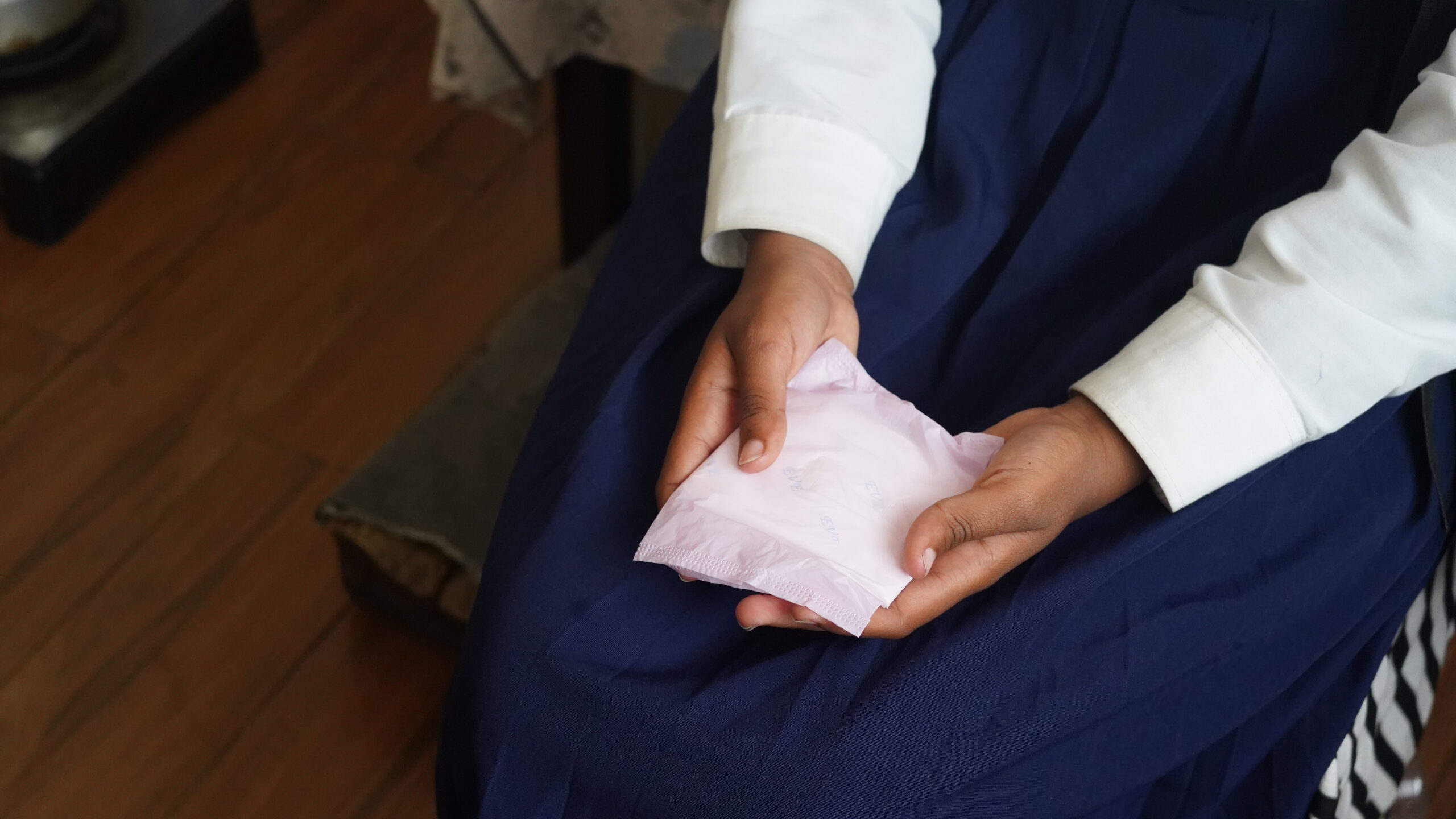
Period poverty refers to the inability to afford or consistently access menstrual products such as sanitary pads, tampons, liners, and other menstrual care supplies. It can also include limited access to menstrual health education and safe, hygienic spaces to manage menstruation.
When families are already balancing the costs of housing, food, transportation, and healthcare, menstrual products can become one more expense in an already stretched budget. As a result, many individuals are forced to make difficult choices between purchasing period products and meeting other basic needs.
How Period Poverty Affects Health, Education, and Daily Life
Period poverty is about more than a lack of products—it can affect many aspects of daily life.
Students who do not have reliable access to menstrual supplies may feel anxious about managing their periods at school. Some may avoid sports, extracurricular activities, or social events during menstruation. Adults can face similar challenges in the workplace and in their daily routines.
The stress of not knowing whether menstrual products will be available can affect confidence, participation, and overall well-being. Access to menstrual products helps people focus on learning, working, and engaging in everyday life without unnecessary barriers.
Menstrual health is a basic part of overall health, and no one should have to struggle to access the products they need.

Who Is Most Affected by Period Poverty in the United States?
Period poverty can affect people from many backgrounds, but some groups face greater barriers than others.
Those most affected often include:
- Low-income households that struggle to cover recurring monthly expenses.
- Single-parent families balancing multiple financial responsibilities.
- Individuals experiencing homelessness who may have limited access to both menstrual products and hygiene facilities.
- People living in shelters or transitional housing where resources may be limited.
- Young people and students who may not always have access to affordable menstrual products when they need them.
As the cost of living continues to rise, many families are forced to make difficult decisions about how to allocate limited resources. For some, menstrual products become one of many essential needs competing for already stretched household budgets.
Period poverty exists in communities across the country and affects people in urban, suburban, and rural areas alike.
How Communities Are Working to Address Period Poverty
Communities across the United States are taking action to improve access to menstrual products and support menstrual health.
Efforts to address period poverty include:
- Providing free menstrual products in schools to help students stay focused on learning.
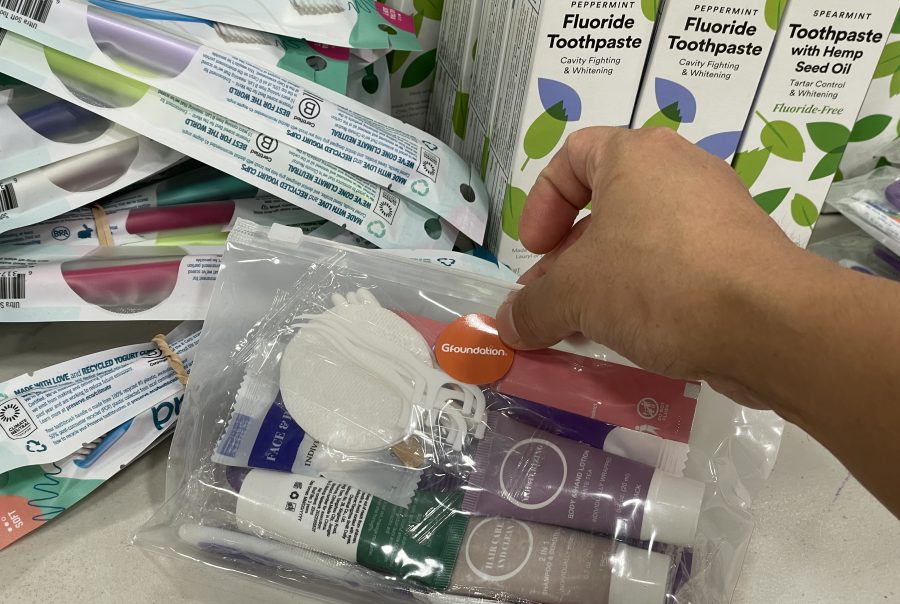
- Distributing menstrual care kits through nonprofits and community organizations serving individuals and families in need.
- Organizing product donation drives to collect pads, liners, and other essential hygiene supplies.
- Partnering with businesses and community groups to expand access to menstrual products.
- Raising awareness about period poverty and reducing the stigma that still surrounds menstruation.
These initiatives help ensure that girls and women can participate fully in school, work, and everyday life without unnecessary barriers.
While progress has been made, many communities continue to face unmet needs. Continued support from individuals, organizations, and community partners remains essential to expanding access to menstrual products and promoting menstrual health for all.
How You Can Support Girls and Women Facing Period Poverty
Addressing period poverty requires a community effort. There are many ways to help ensure that girls and women have access to the menstrual products they need.
You can make a difference by:
- Making a one-time or monthly donation to help provide menstrual care kits and essential hygiene supplies to girls and women in need.
- Donating menstrual products such as sanitary pads, liners, and other hygiene items through GFoundation.
- Supporting initiatives that expand access to menstrual products and menstrual health resources in underserved communities.
- Raising awareness about period poverty and helping reduce the stigma surrounding menstruation through education and conversation.
Click the boxes you want to participate in
Every action—big or small—can help make menstrual products more accessible for those who need them most.
Together, we can help ensure that menstruation is never a barrier to health, education, confidence, or opportunity.
Your gift helps women and girls access essential menstrual products so they can stay healthy, confident, and focused on their daily lives.
Together, we can ensure that no women and girls hide their period because of poverty.
| Donate to Support Women & Girls’ Menstrual Health
- Become a Monthly Donor – Help provide ongoing access to menstrual products so women and girls can stay healthy, confident, and focused on school and daily life.
- Make a One-Time Gift – Support the distribution of menstrual care kits for women and girls experiencing period poverty.
- Give In-Kind Donation – Donate sanitary pads, menstrual products, or hygiene supplies to support women and girls in need. [link]