For many expectant mothers in rural Madagascar, access to prenatal care remains limited.
In communities where medical facilities and diagnostic equipment are scarce, pregnancy complications can be difficult to identify before they become life-threatening. Improving access to maternal healthcare requires more than short-term medical missions—it requires strengthening local healthcare systems.
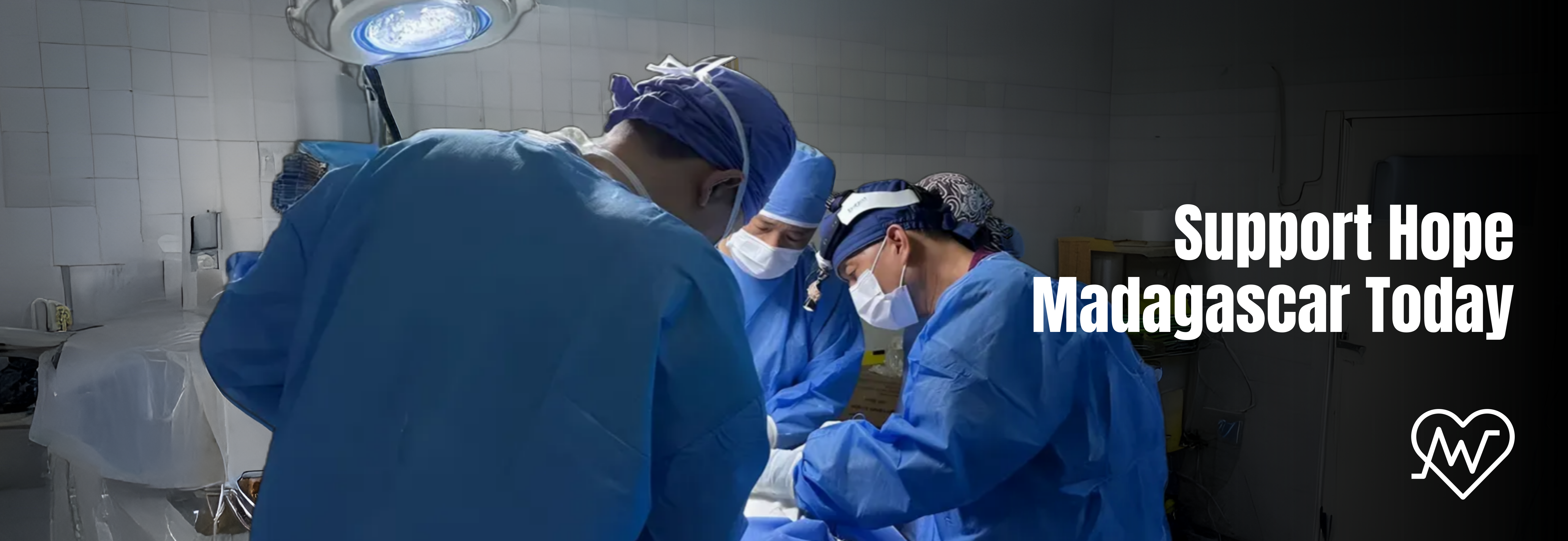
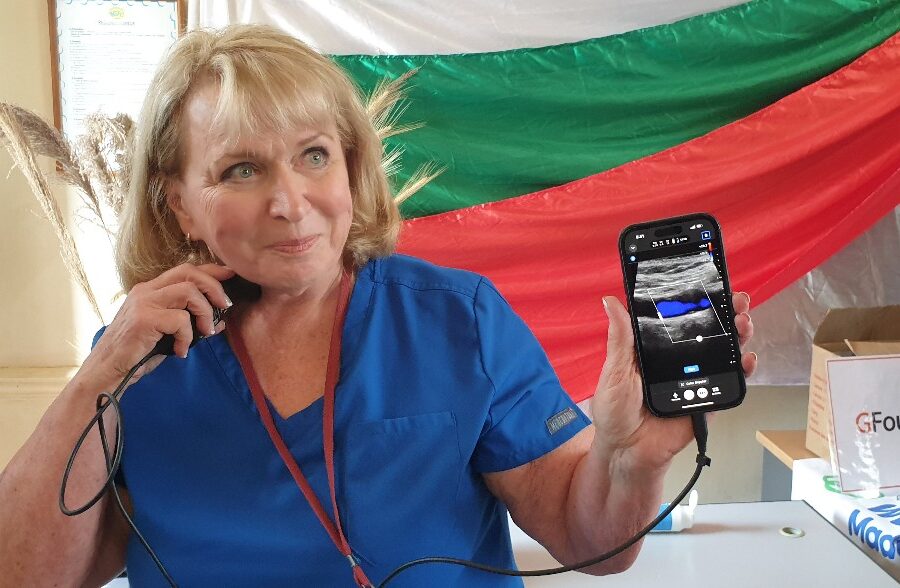
Through the Hope Madagascar campaign, GFoundation partnered with medical professionals to help expand access to maternal healthcare by providing portable ultrasound equipment and specialized training for local healthcare providers.
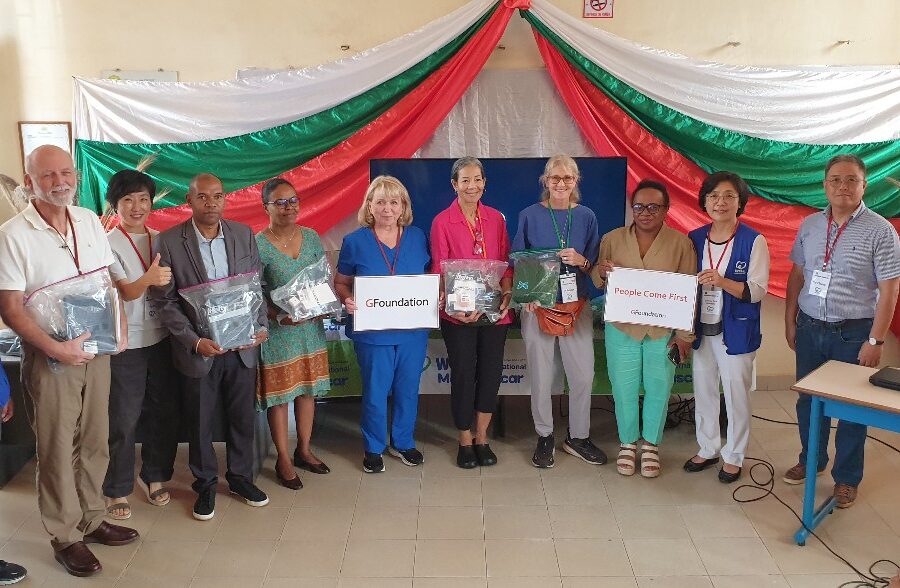
Expanding Access to Maternal Healthcare
Hope Madagascar was created to improve maternal healthcare in underserved communities where access to prenatal services remains limited.
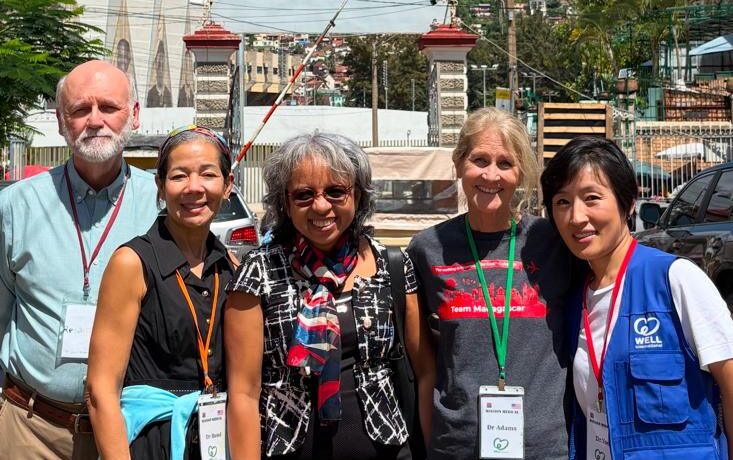
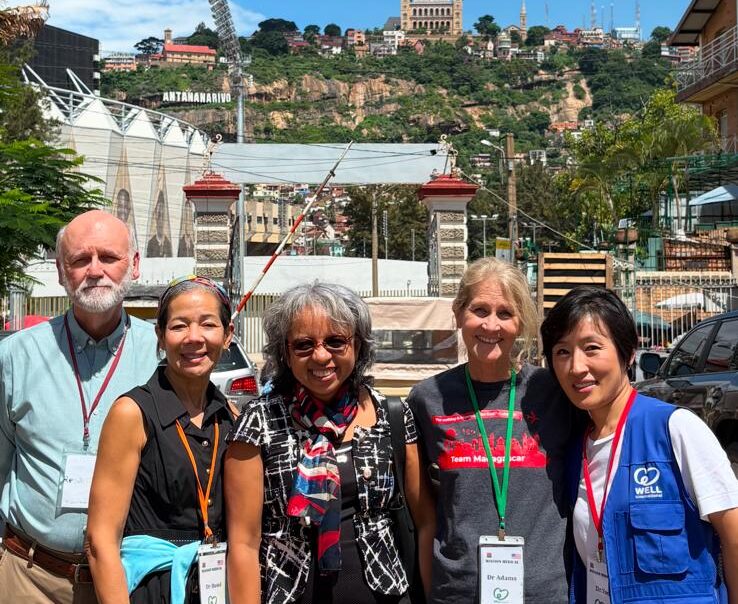
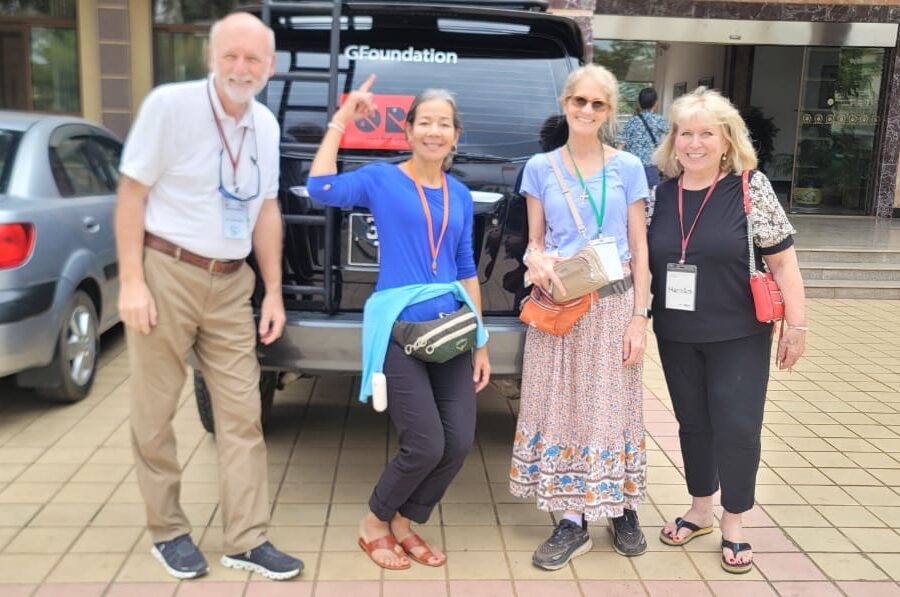
As part of this mission, a team of physicians—including Dr. Adams and Dr. Bond—traveled to Madagascar with 20 portable ultrasound machines.
They joined Dr. Lee, who has served communities in Madagascar for decades, and the Well International team to strengthen ongoing maternal healthcare efforts already taking place in the region.
Rather than creating a temporary program, the mission supported existing local healthcare initiatives and partnerships.
Strengthening Local Healthcare Through Training
One of the mission’s primary goals was to strengthen local medical capacity.
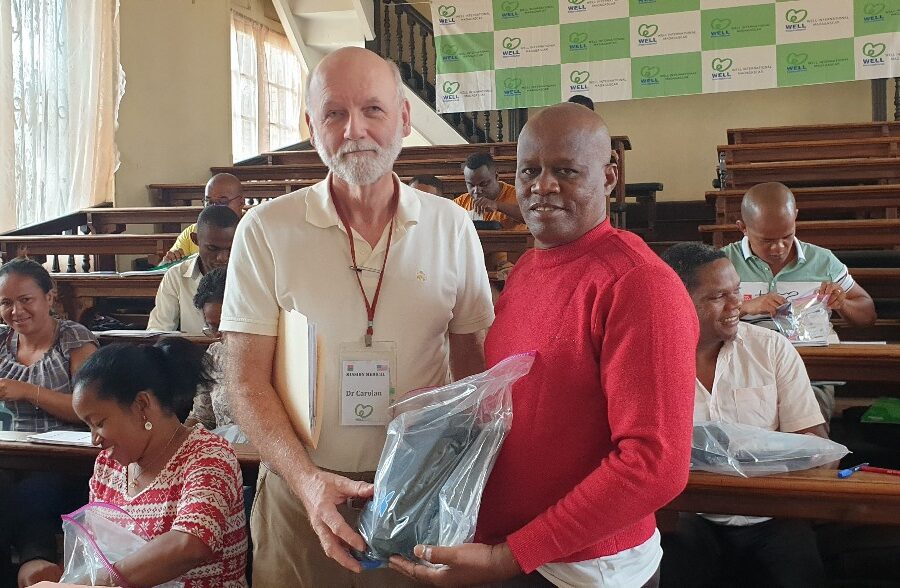
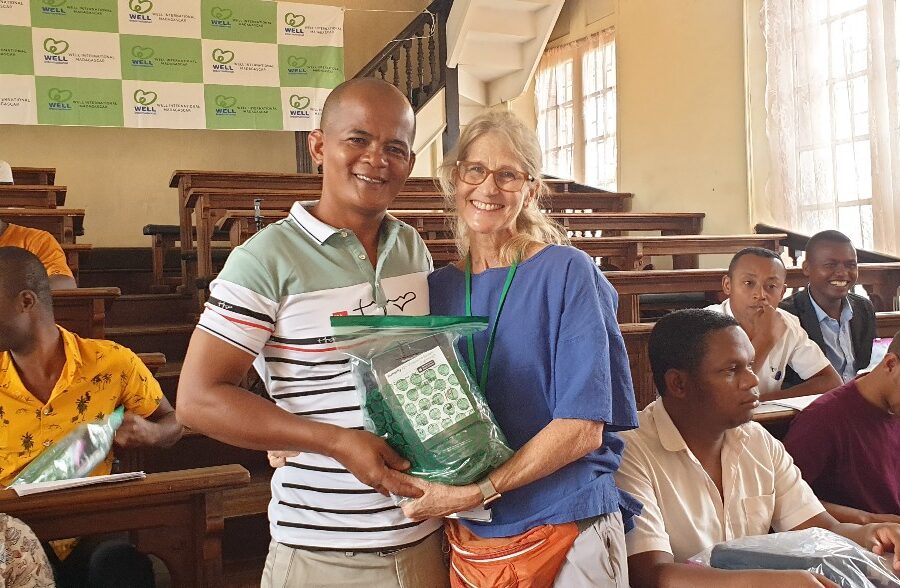
Over six days, the medical team provided two days of ultrasound training followed by four days of supervised clinical practice for local healthcare providers participating in the D4Ds (Doctors for Doctorless) program.
The training focused on ultrasound diagnostics and specialized obstetric and gynecological care, helping local providers build practical skills they can continue using in their communities.
By investing in healthcare workers already serving these communities, the impact of the mission extends well beyond the team’s visit.
Working Together to Improve Maternal Health
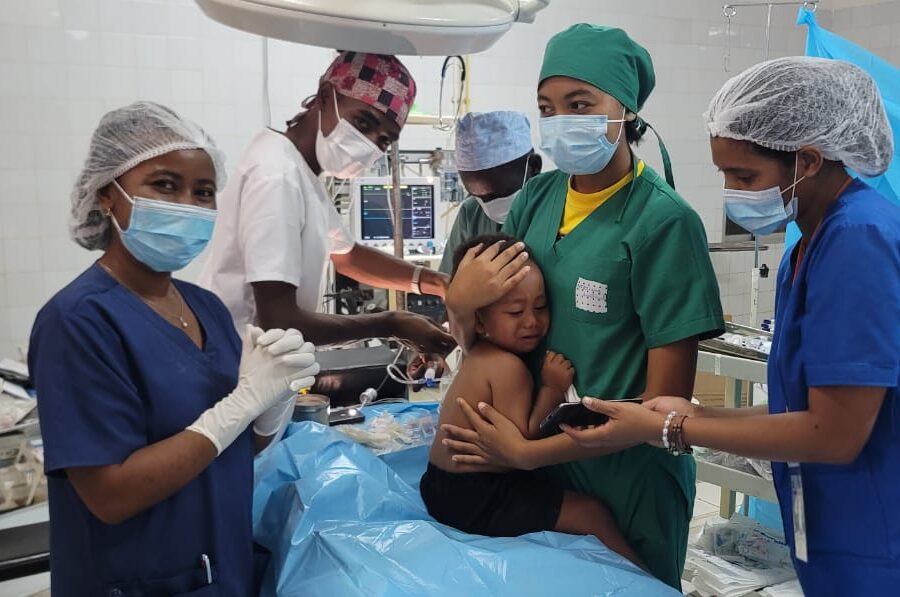
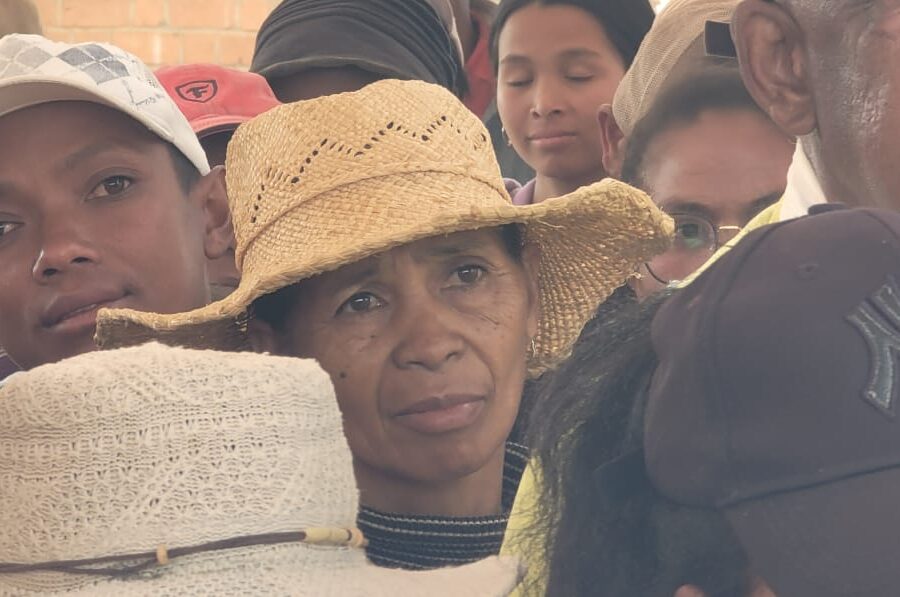
The mission coincided with a separate medical outreach from South Korea involving physicians, nurses, and pastors who provided primary healthcare services to 1,650 patients.
Together, the two teams complemented one another’s work.
While one team focused on expanding access to primary medical care, the Hope Madagascar team concentrated on maternal healthcare by equipping local providers with diagnostic technology and clinical training.
This collaborative approach allowed immediate patient care and long-term capacity building to happen simultaneously.
Why Portable Ultrasound Matters
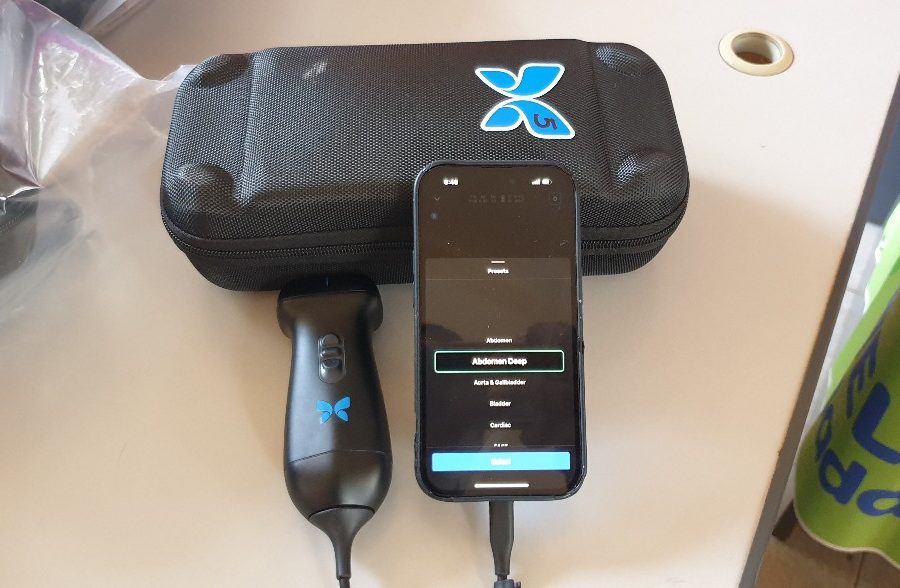
Portable ultrasound technology can help healthcare providers identify pregnancy complications earlier and make more informed clinical decisions.
In communities where advanced medical equipment is limited, portable devices make prenatal assessment more accessible while supporting local providers in delivering maternal healthcare closer to where families live.
When combined with hands-on training, these tools become long-term resources that continue serving communities long after a medical mission has ended.
Continuing the Hope Madagascar Mission
The Hope Madagascar campaign reflects GFoundation’s commitment to sustainable healthcare solutions that strengthen local systems rather than providing only short-term assistance.
We are grateful to every physician, healthcare professional, local partner, and supporter who made this mission possible.
Together, we are helping expand access to maternal healthcare and creating stronger healthcare systems for mothers and babies across Madagascar.