A new school year brings new classes, teachers, routines, and experiences. Whether a student is returning to a familiar school or entering a new classroom for the first time, a little preparation can make the transition back to school easier.
Getting ready for a new school year is about more than checking off a school supply list. From preparing the right supplies to getting familiar with a new routine and school environment, families and communities can help students start the year prepared.
Here are five practical ways to help students get ready for a new school year.
1. Start With the School Supplies Students Need
School supply needs vary by school and grade, so checking the school’s supply list is a good place to start.
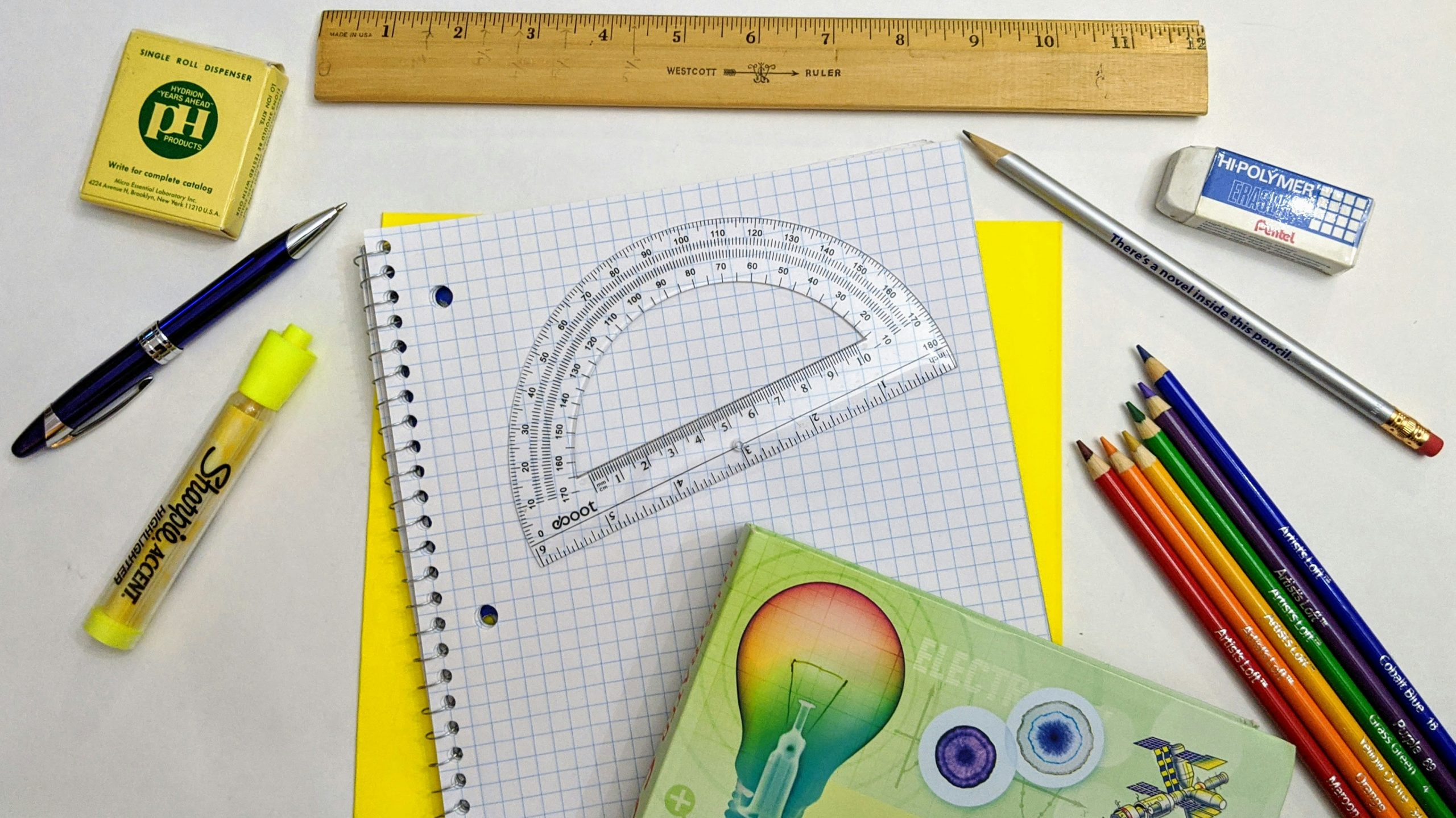
Depending on the school, students may need items such as notebooks, folders, pencils, pens, backpacks, or other classroom supplies. Preparing these items before school begins can help students have what they need from the first day.
It can also be helpful to organize backpacks and supplies ahead of time so students know where their everyday school items are.
For families who may have difficulty covering all of the costs that come with the start of a school year, school supply drives and community donation programs are another way to help make these basic items available.
2. Get Back Into a School-Day Routine
Summer schedules often look different from school-day schedules.
The American Academy of Pediatrics recommends gradually adjusting children to earlier bedtimes a week or two before the school year begins rather than waiting until the first day of school.
Families can also start rebuilding simple school-day habits, such as:
- Returning to regular bedtime and wake-up times
- Preparing backpacks and clothes the night before
- Setting regular meal times
- Setting aside time for homework or reading
The goal doesn’t have to be a perfect schedule. Starting these routines before the first day can make the change from summer break to a regular school schedule more familiar.
3. Help Students Know What to Expect
A new school year can bring plenty of changes: a different teacher, classroom, schedule, classmates, or even an entirely new school.
Before the first day, families can help students become familiar with practical details such as when school begins, how they will get there, what they need to bring, and what their school day may look like.
For students entering a new school, visiting the school or attending an orientation before classes begin can also be helpful. The American Academy of Pediatrics recommends visiting a new school or classroom when possible and giving children opportunities to talk about questions or concerns they may have about the first day.
For some students, however, starting school can involve becoming familiar with much more than a new classroom.
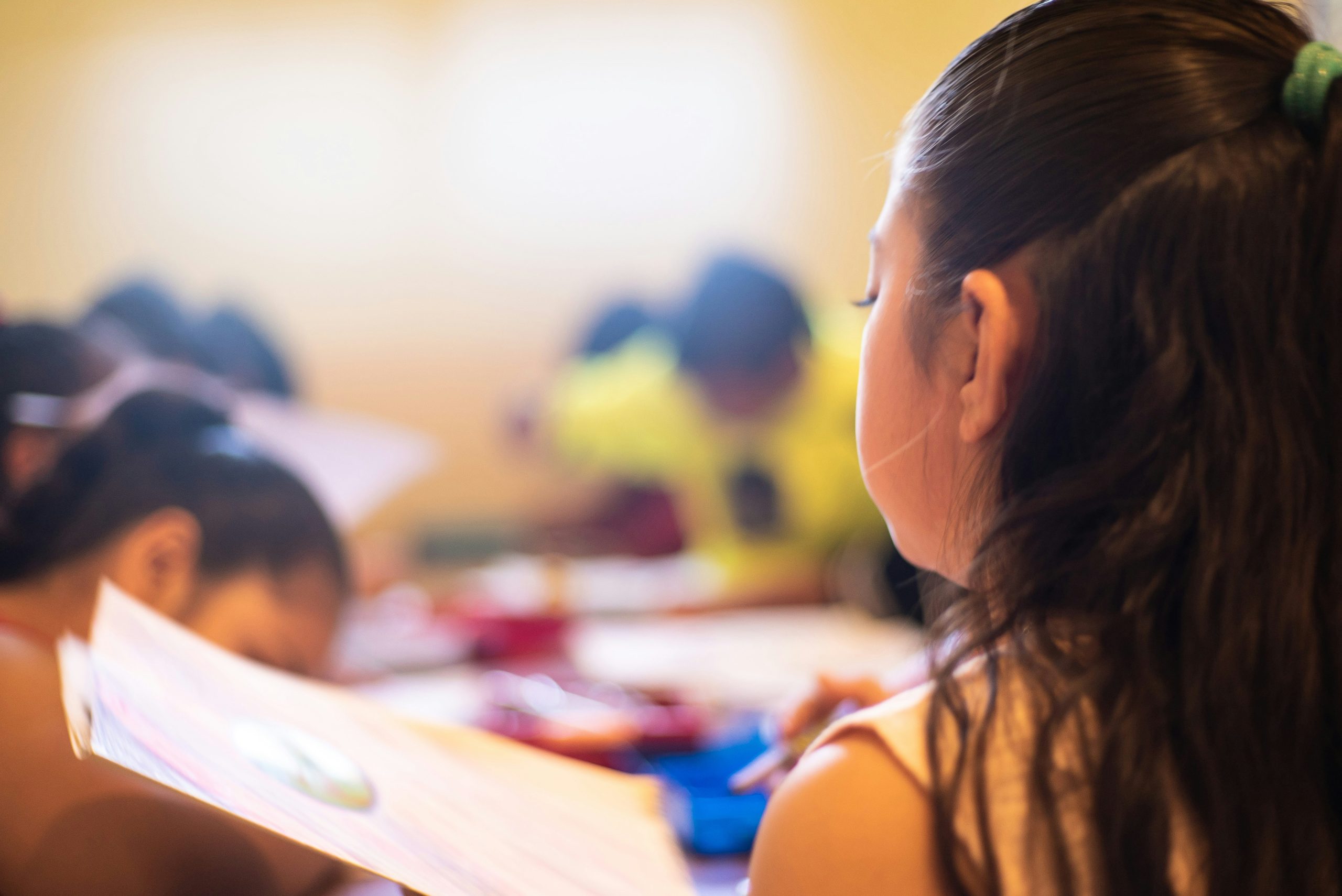
4. For Refugee Children, Starting School Can Bring Additional Changes
Children from recently resettled refugee families may be entering a new school while also becoming familiar with a new community and a different school system.
Every student’s experience is different. Newcomer students in the United States come from many countries, speak different home languages, and have a wide range of previous educational experiences. For some, the transition may also involve learning in a new language or becoming familiar with different expectations and routines at school.
The U.S. Department of Education recognizes these distinct needs in its Newcomer Toolkit, which provides resources for schools working with immigrant students, including refugees and asylees. The toolkit addresses areas such as creating welcoming school environments, providing appropriate instruction, supporting students’ social and emotional needs, and building partnerships with families.
For students experiencing many changes at once, having the basic items required for school is one practical part of getting ready.
A backpack or notebook cannot address every part of adjusting to a new school or community. But making sure students have the school supplies they need is one concrete way communities can support them as they begin the school year.
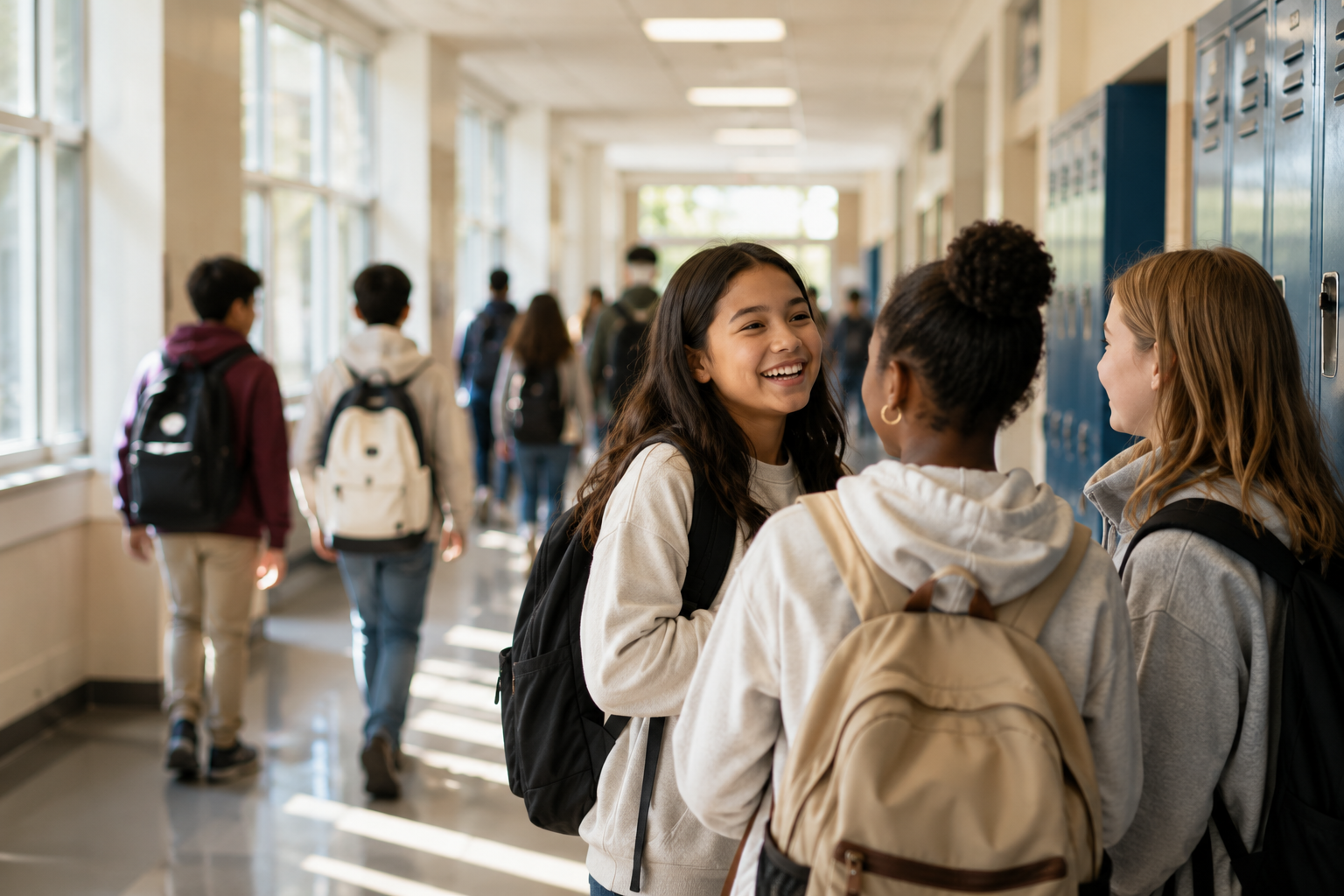
5. Help Make Back-to-School Supplies Accessible
Preparing for school requires resources, and communities can play a practical role in helping students and families access basic school supplies.
This Back-to-School season, GFoundation is supporting refugee children in Louisville, Kentucky, and Syracuse, New York with new school supplies.
Working with trusted local churches and community partners, GFoundation distributes backpacks and school essentials based on local needs. Current requested items include backpacks, notebooks, folders, pencil cases, pencils, pens, crayons, markers, reusable water bottles, and other classroom supplies.
There are several ways individuals and communities can take part:
- Make a Monthly donation to support the Back-to-School campaign
- Donate new, unused school supplies
- Host a School Supply Drive at a school, church, workplace, or community
Help Students Start the School Year Prepared
There are many ways to help a student prepare for a new school year—from rebuilding daily routines to helping them become familiar with a new school environment.
For refugee children beginning another school year while adjusting to life in a new community, access to basic school supplies is one practical piece of that preparation.
Through GFoundation’s Back-to-School campaign, you can help provide new school supplies to refugee children in Louisville and Syracuse and help them begin the school year with the items they need.