For many expectant mothers in Madagascar, access to timely prenatal care and emergency obstetric services remains limited. In hospitals with shortages of medical equipment, unstable infrastructure, and limited resources, pregnancy complications can quickly become life-threatening.
During GFoundation’s recent Hope Madagascar medical mission, one young mother’s experience illustrated why access to diagnostic technology and trained healthcare professionals can make such an important difference.
A High-Risk Pregnancy Emergency
A 17-year-old expectant mother arrived at the hospital in critical condition.
She was extremely weak, and her blood pressure had fallen to a dangerously low level.
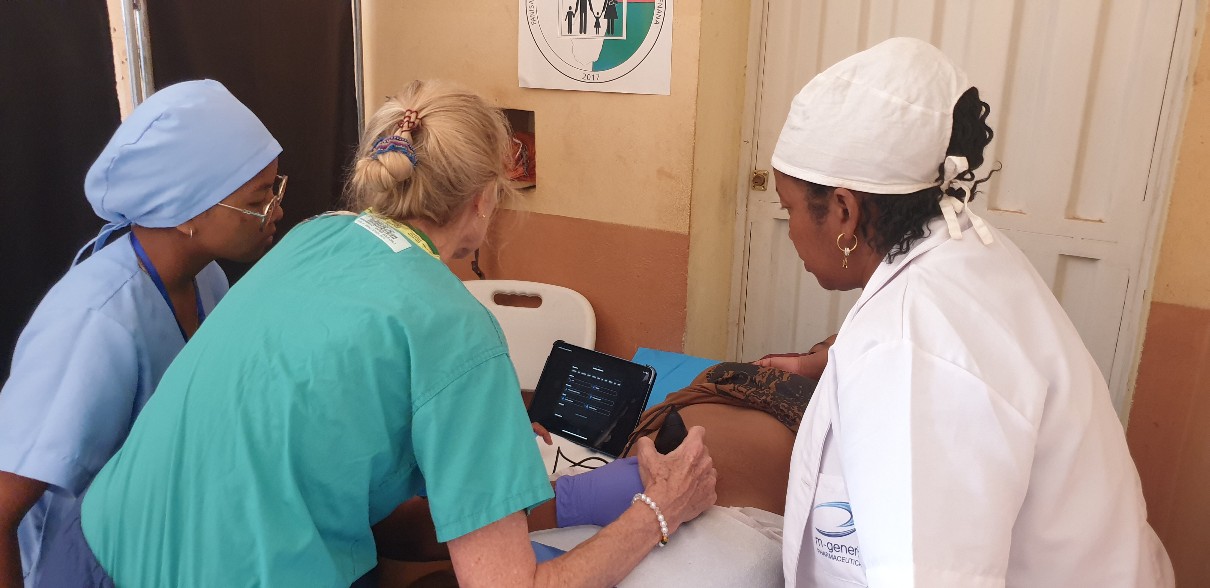
The medical team immediately performed an examination using a portable ultrasound machine to better understand her condition. The scan revealed a severe pregnancy complication that required an emergency cesarean section.
Without a rapid diagnosis, the team would have had far less information to guide urgent treatment decisions
Providing Care Despite Limited Resources
The medical team faced significant challenges throughout the operation.
The hospital had unreliable electricity, increasing the complexity of performing surgery.
Blood for transfusions was not readily available because family members are typically responsible for donating blood, and no emergency blood supply was immediately accessible.
The hospital also lacked neonatal intensive care equipment, limiting the medical resources available if complications developed after delivery.
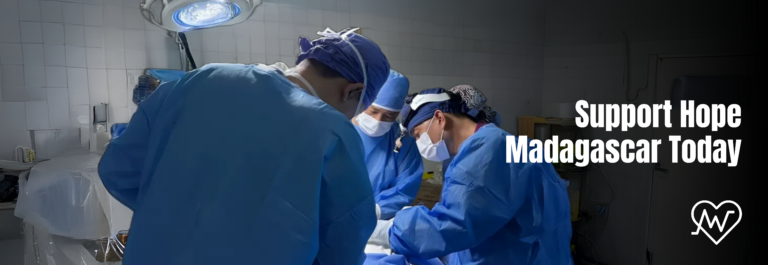
Despite these obstacles, the team proceeded with the emergency surgery.
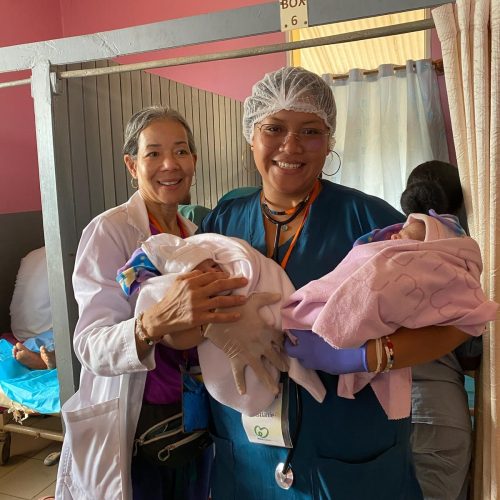
A Mother and Her Twins
The twins were safely delivered, although both babies required immediate medical attention because of their small size and fragile condition.
Meanwhile, their mother experienced severe blood loss, and the medical team worked urgently to stabilize her while additional blood donors were located.
She survived the emergency, though the prolonged drop in blood pressure resulted in partial vision loss.
Today, she is able to care for her children—a reminder of both the challenges families face and the dedication of healthcare professionals working under difficult conditions.
Why Early Diagnosis Matters
Portable ultrasound does more than produce images.
It helps healthcare providers evaluate pregnancy complications more quickly, supporting clinical decision-making during emergencies.
In hospitals where access to advanced diagnostic equipment is limited, portable ultrasound can expand the ability of medical teams to assess patients and respond more effectively to urgent situations.
When paired with skilled healthcare professionals and ongoing training, these tools become part of stronger maternal healthcare systems that continue serving communities over time.
Continuing Hope Madagascar
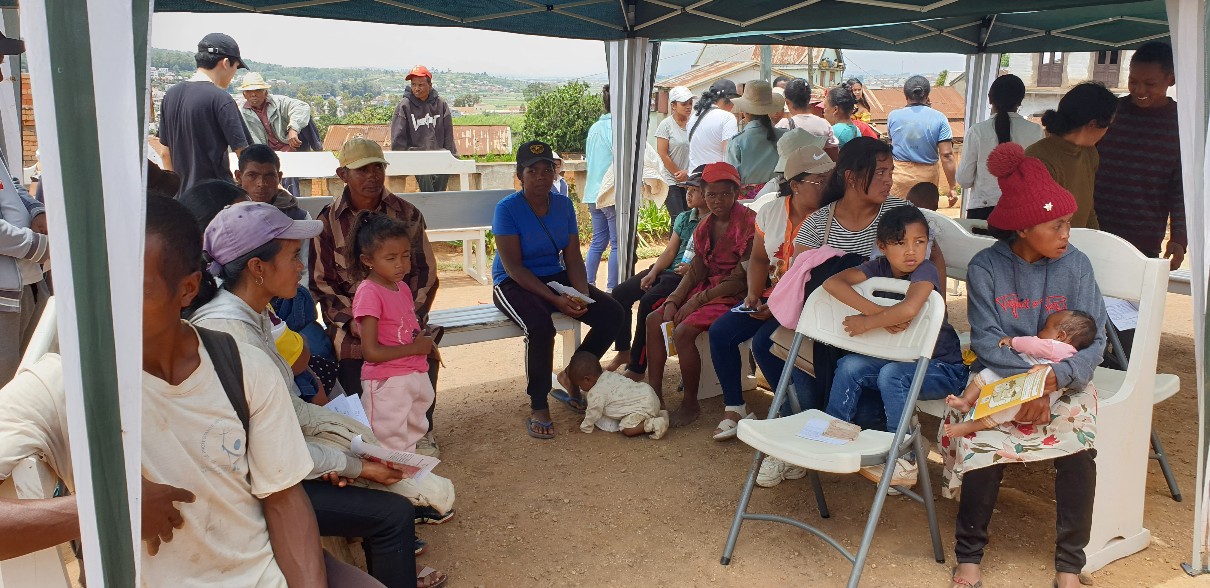
This story represents one family, but many mothers across Madagascar continue to face similar barriers to healthcare.
Through the Hope Madagascar campaign, GFoundation partners with local healthcare providers and medical professionals to improve access to maternal healthcare by providing portable ultrasound equipment, medical training, and ongoing support for underserved communities.
We remain committed to strengthening healthcare systems so that more mothers can receive timely care throughout pregnancy and childbirth.