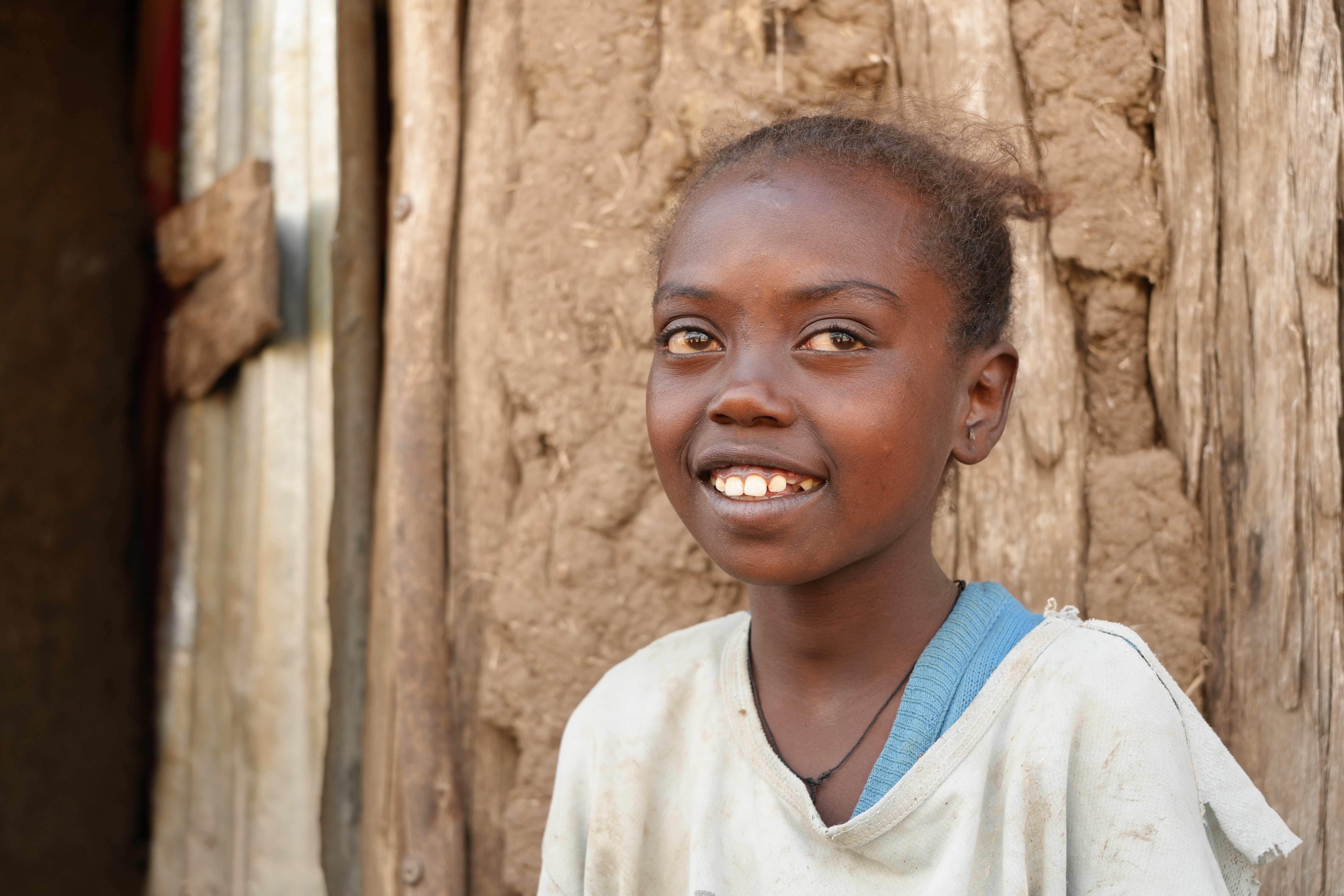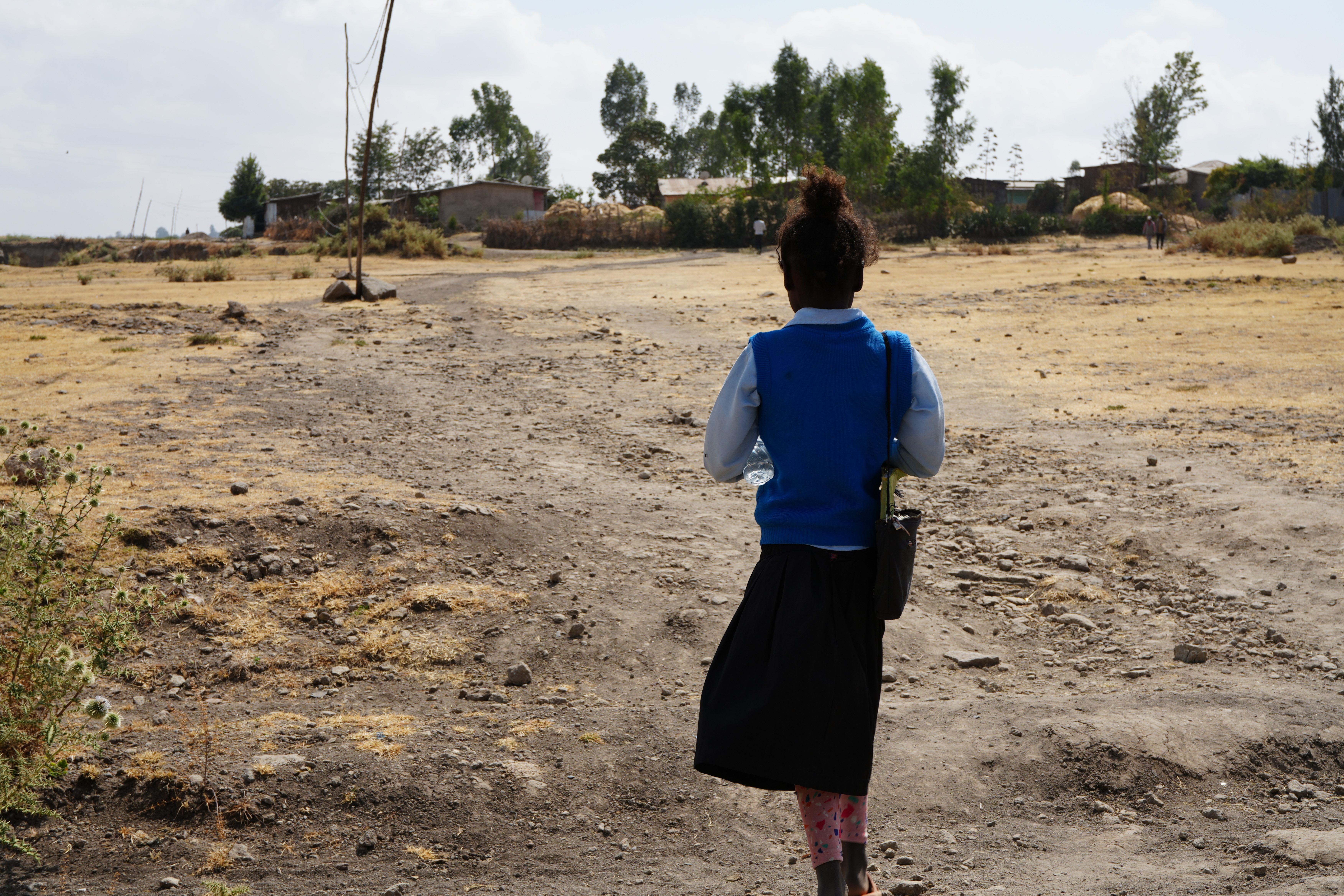
In a rocky village near a quarry in rural Ethiopia, an eight-year-old girl measures her future in days she can stay in school.
Morning begins before the sun fully rises.
Mekdes, eight years old and in the second grade at Bonnaya School, eats a simple breakfast — usually bread — before starting her walk. From her home to the classroom, the distance takes about 40 minutes on foot.
The path is uneven and scattered with rocks. The village sits near a quarry, and on dusty days the air grows thick as trucks move through the area. The terrain slopes upward and downward across dry hills.
She makes this walk six days a week.
It is long for a second grader.
But she says she prefers this road to staying home.
At School
When she arrives, Mekdes joins her classmates in a modest classroom. Resources are limited, but school provides one certainty in her day: two meals. While she is there, she does not go hungry.
Her annual school fee is 400 Ethiopian Birr. She is the only child in her household currently attending school. Her two siblings remain at home.
After classes end, Mekdes often stays behind.
She knows that once she returns home, time will no longer belong to her studies. So she finishes her homework in the classroom when she can. Friends sometimes help review lessons. Older students explain difficult problems. On some days, teachers stay a little longer.
For a second grader, the school day does not end with the final bell.
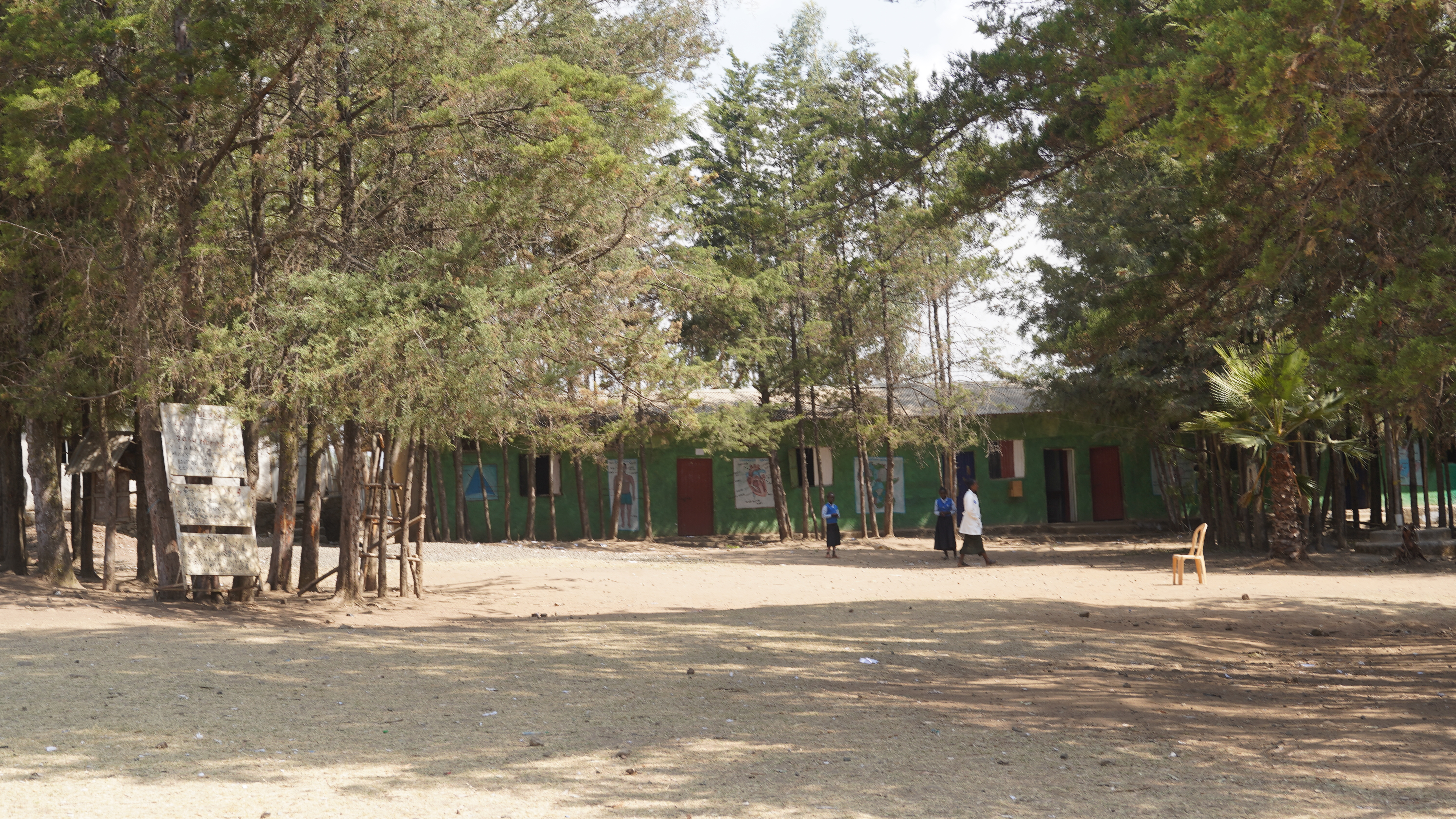
Returning Home
The walk back is the same 40 minutes.
But the work begins immediately after she arrives.
Mekdes helps clean the house. She prepares firewood for cooking. She assists her mother and sometimes helps neighbors with small tasks. There is little pause between responsibilities.
Twice a week, another journey awaits.
To collect water for her household, she walks about an hour each way. She carries a jerrycan and borrows a neighbor’s donkey to transport the water back home. The amount must be enough for the entire family.
On days when water collection and school fall together, much of her time is spent on the road.
By evening, there is rarely space left for rest.
The Weight of the Household
Mekdes lives with her parents and grandmother. Her father works part-time at the quarry. Some days there is work; other days there is none.
There is no nearby hospital. When someone becomes ill, the family often turns to traditional remedies. Medication is costly and difficult to access. Even when she feels unwell, Mekdes tries not to miss school. In her village, absence can quietly become withdrawal.
What She Hopes For
When asked what she wants for the future, Mekdes does not describe a profession.
She speaks instead about continuation.
She hopes the days she can go to school will not be interrupted.
Not by fees.
Not by exhaustion.
Not by water collection.
Not by circumstances at home.
Her hope is not abstract.
It is practical.
To wake up tomorrow and walk the same rocky road.
To sit in her classroom again next week.
To keep going.
In rural Ethiopia, education is not assumed. It is something that must be maintained, day by day.
For now, Mekdes is still walking.
And the school days are still unbroken.
Why Continuity Matters
In rural Ethiopia, many children leave school not because they lack ability, but because daily pressures accumulate.
One missed week becomes a gap.
One unpaid fee becomes withdrawal.
One season of hardship shifts priorities.
Mekdes continues walking.
For now, the days are still unbroken.
Her hope is simple:
that they remain that way.