How a School WASH Project Is Transforming Haru Jila Primary School in Ethiopia
Access to clean water and safe sanitation can shape a child’s entire school experience.
At Haru Jila Primary School in Sebeta Sub City, Ethiopia, 274 students once studied in an environment with limited water access and deteriorating sanitation facilities. Through a two-year school WASH (Water, Sanitation, and Hygiene) initiative supported by KOICA and GFoundation, the school has improved its water and sanitation infrastructure while helping students and teachers build healthier hygiene habits.
The project shows how combining clean water access, safe school toilets, hygiene education, and student leadership can create lasting change across a school community.
What WASH Challenges Did Haru Jila Primary School Face?
Haru Jila Primary School is located in Sebeta Sub City, approximately 24 kilometers from GFoundation’s Ethiopia branch. The school serves 274 students, including 139 boys and 135 girls.
Before the project, the school faced challenges including limited access to water and aging sanitation facilities. These conditions made everyday hygiene more difficult for students and created the need for safer, more reliable infrastructure.
For girls in particular, access to private, gender-separated sanitation facilities is an important part of creating a more comfortable and dignified school environment.
How Did the WASH Project Improve Water and Sanitation Facilities?
Creating a healthier school environment required more than a single improvement. The project addressed several parts of the school’s water and sanitation system.
Accessible Handwashing Stations
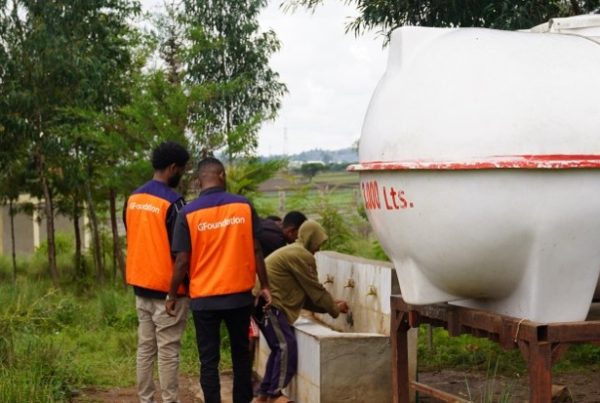
New handwashing stations gave students a dedicated place to practice daily hygiene and apply what they learned through WASH education.
A 10,000-Liter Water Tank
A 10,000-liter water tank was installed and connected to the handwashing facilities, helping the school maintain more reliable access to water.
Electric Water Pump and Generator
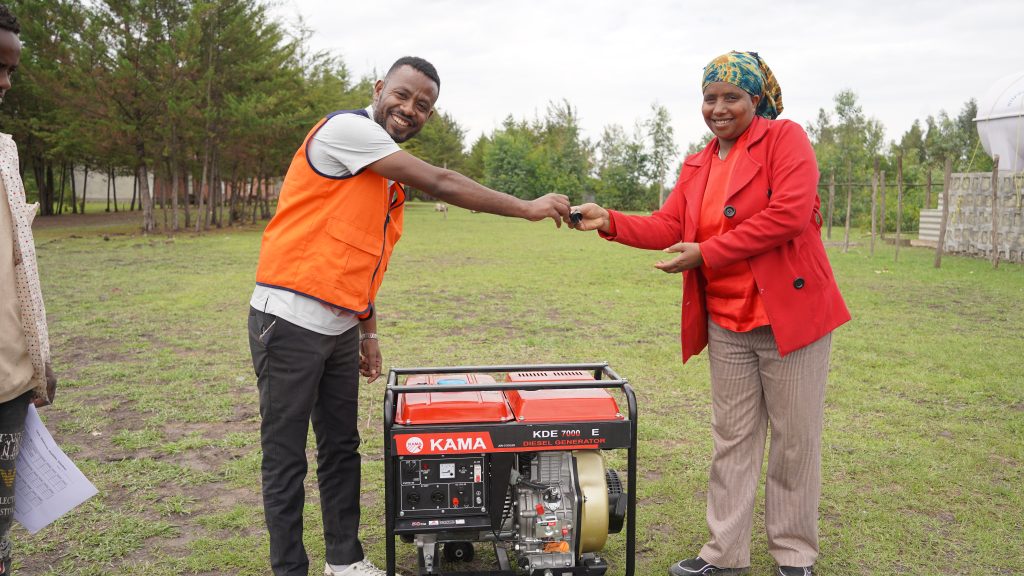
The school’s outdated manual hand pump was replaced with an electric water pump and generator system. This made accessing water faster and less physically demanding.
Safer, Gender-Separated Toilets
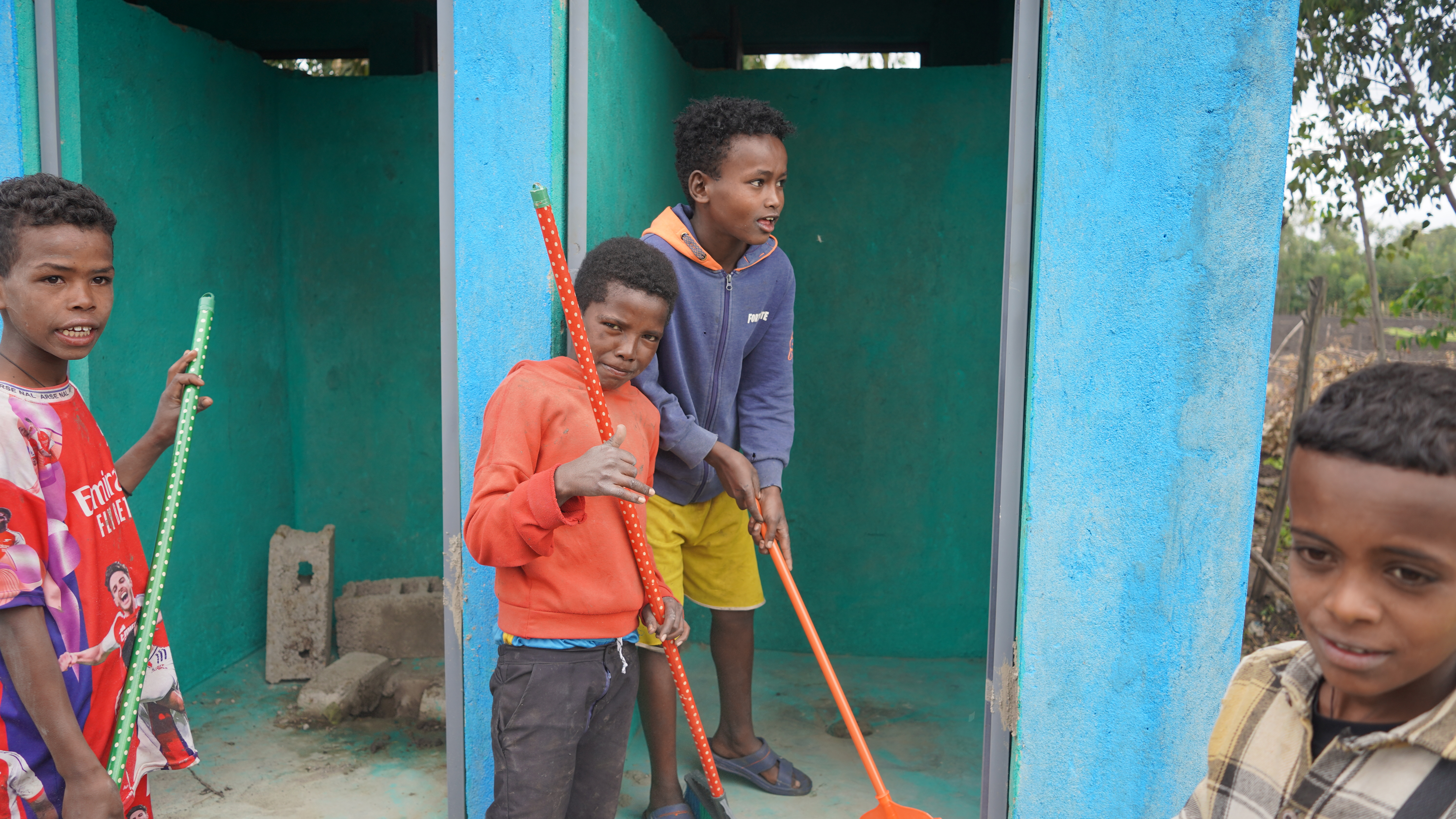
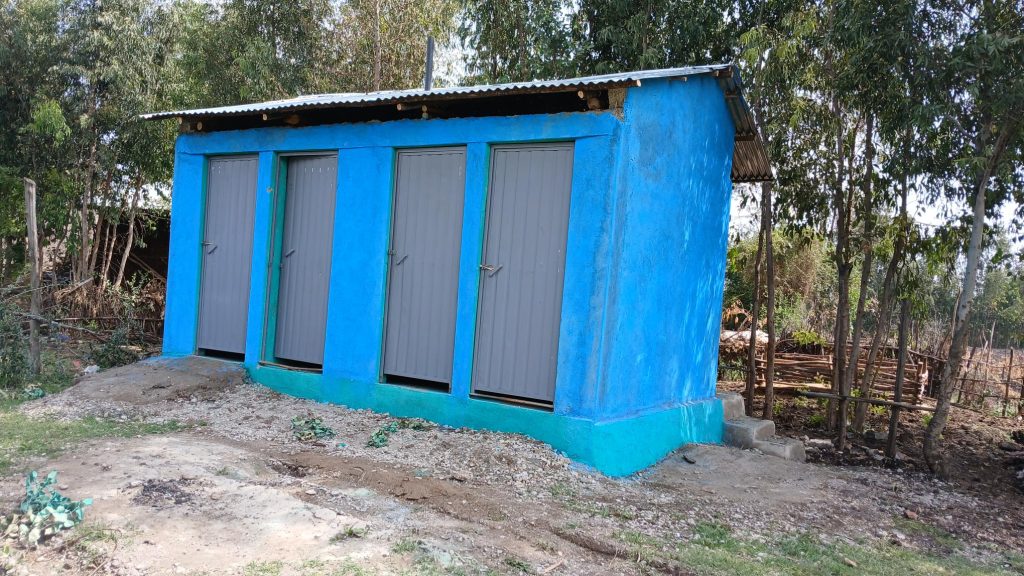
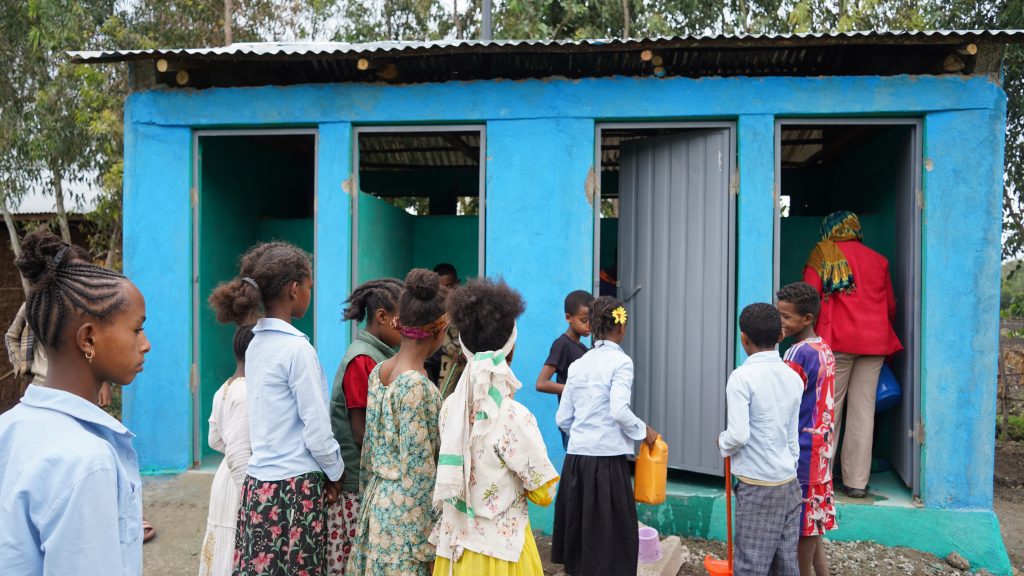
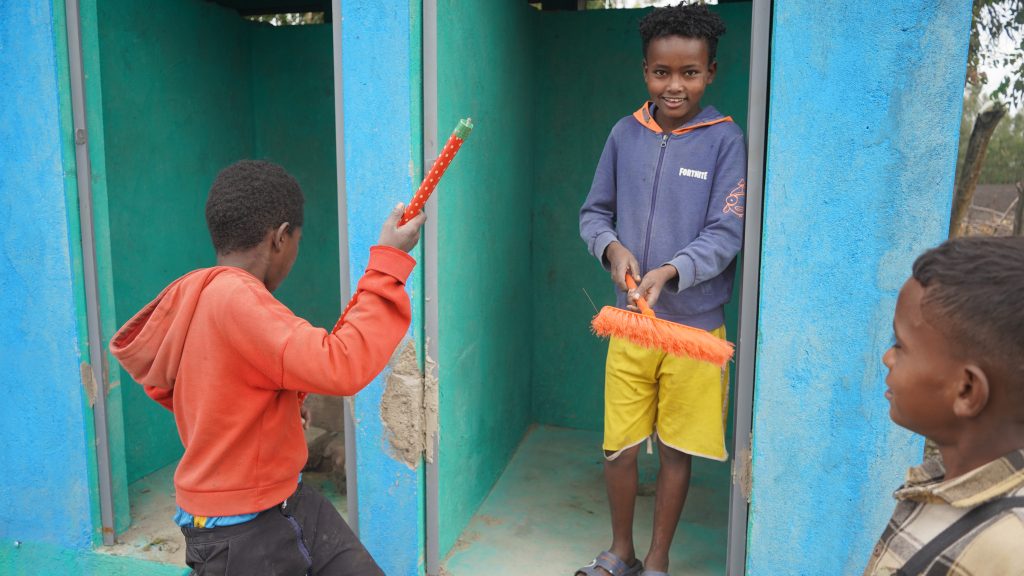
Old and deteriorating toilet facilities were renovated and replaced with safer, gender-separated sanitation facilities.
The improved toilets provide greater privacy, safety, and dignity for students, including girls who may face additional hygiene and privacy needs at school.
Expanded Water Lines
Water lines were extended across the school campus to improve water distribution and make facilities more practical for everyday use.
Together, these improvements created a stronger foundation for a safer and healthier learning environment.
Why Is Hygiene Education as Important as Infrastructure?
A water tank or toilet can improve a school, but infrastructure alone does not create lasting behavior change.
For this reason, the Haru Jila School WASH project combined facility improvements with education and student participation.
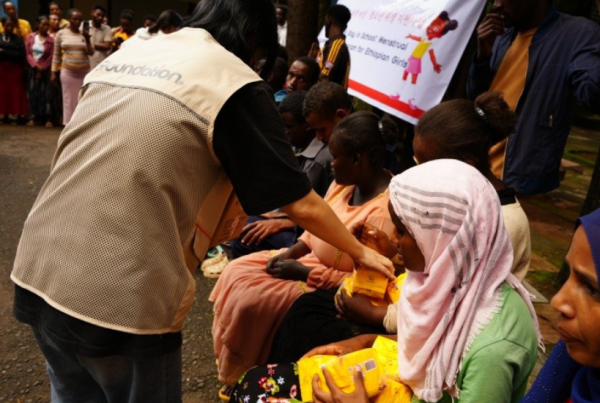
Selected teachers received WASH training to help reinforce healthy hygiene practices in the classroom. All students also participated in school-wide education on hygiene and sanitation.
Students explored these lessons through posters, drawings, performances, and other creative awareness activities, making hygiene education more engaging and memorable.
By combining infrastructure with education, the project helps students understand not only how to practice good hygiene, but also why these habits matter.
How Are Students Leading Change Through the WASH Club?
One of the most important parts of the project is the student-led WASH Club.
Student members help:
- raise awareness about hygiene,
- encourage healthy habits among their classmates,
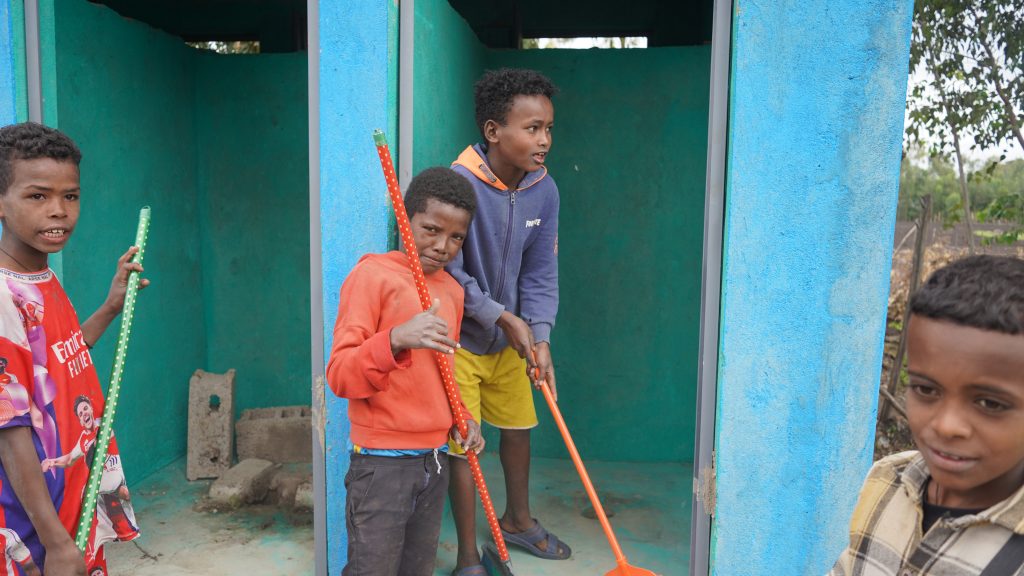
- support cleanliness around school facilities,
- and participate in activities that promote responsibility for the school environment.
Through these activities, students are not only receiving support. They are becoming active participants in creating a healthier school community.
This sense of ownership is important for long-term sustainability. When students and teachers understand, use, and care for WASH facilities together, improvements have a greater chance of continuing beyond the initial project period.
What Has Changed at Haru Jila Primary School?
The transformation at Haru Jila Primary School combines physical improvements with changes in knowledge, participation, and responsibility.
Today, the school community has:
- improved access to water,
- safer sanitation facilities,
- dedicated handwashing infrastructure,
- trained teachers,
- school-wide hygiene education,
- and student leaders actively promoting healthier habits.
Haru Jila Primary School demonstrates that an effective school WASH project is not simply about constructing facilities. It is about connecting water, sanitation, hygiene education, dignity, and local ownership.
For 274 students, these changes are helping create a school environment where healthy habits can become part of everyday life.
Building Healthier Schools, One Community at a Time
The progress at Haru Jila Primary School shows what can happen when infrastructure and education work together.
Safe toilets provide privacy and dignity. Reliable water makes daily hygiene possible. Education gives students practical knowledge. Student leadership helps those lessons continue across classrooms, homes, and communities.
The work at Haru Jila is one example of a larger goal: helping more children learn and grow in schools where clean water, safe sanitation, and healthy hygiene practices are part of everyday life.
When schools become healthier, students have stronger foundations to learn, grow, and lead change in their communities.
Help Make Safe School Hygiene Possible
Your support can help create healthier and more dignified learning environments for children.
- $25 can help provide essential hygiene products and education for one girl.
- $50 can contribute to improving safe sanitation facilities at a school.
- $100 can help support the maintenance of clean school sanitation facilities.
Together, we can help more students access clean water, safe toilets, and the hygiene education they need to thrive.