The Next Four Years Will Shape Our Future: Key Takeaways from the 2026 International Symposium on Sustainable Development
With just four years remaining until the 2030 deadline for the United Nations Sustainable Development Goals (SDGs), the global community stands at a critical crossroads.
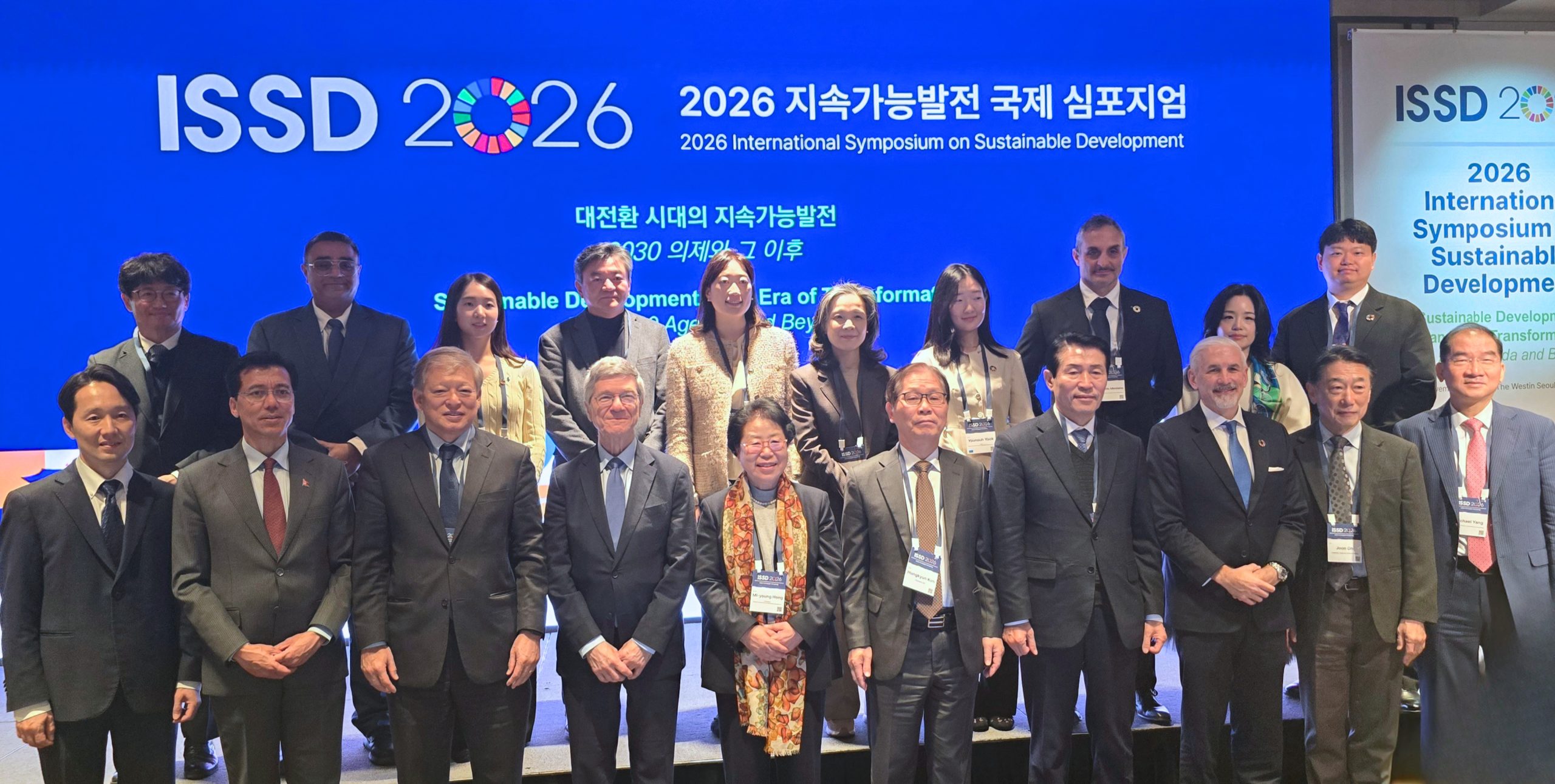
On November 12, global leaders, policymakers, and scholars convened at the 2026 International Symposium on Sustainable Development under the theme, “Sustainable Development in an Era of Transformation: The 2030 Agenda and Beyond.” Featured speakers included H.E. Lok Bahadur Thapa, Permanent Representative of Nepal to the United Nations; Shombi Sharp, Deputy Executive Secretary of UN ESCAP; and Professor Jeffrey D. Sachs of Columbia University.
The core message from the symposium was unmistakable: the crisis we face today stems not from a lack of goals or capital, but from a lack of concrete implementation and global solidarity.
1. By the Numbers: Why Urgent Action Is Needed Now
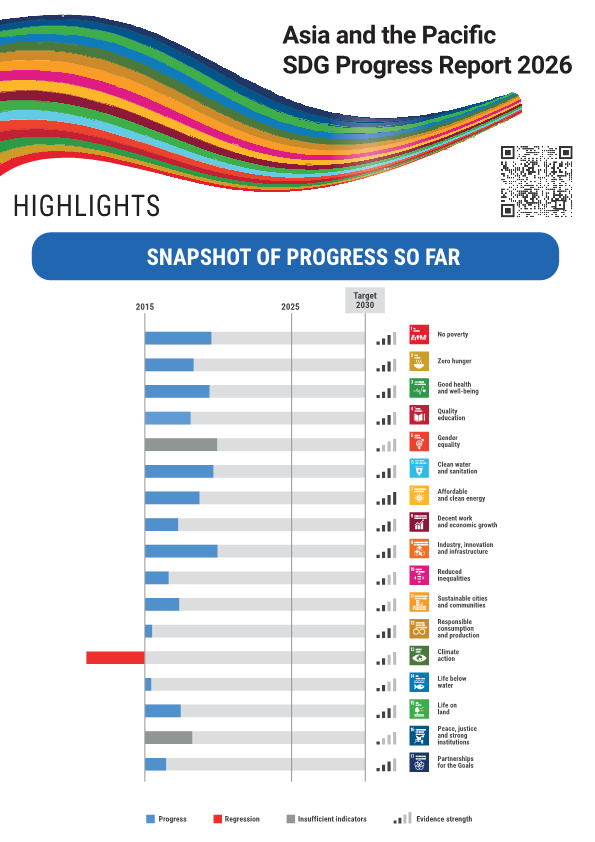
According to the latest UN Sustainable Development Goals Report, while the world has achieved meaningful milestones—such as providing over one billion people with access to safely managed drinking water—only 36% of SDG targets are currently on track. Nearly half are progressing far too slowly, and 15% have regressed below their 2015 baselines.
Compounded by the climate crisis, lingering pandemic impacts, and global economic uncertainty, vulnerable communities and developing nations face an annual financing gap of approximately $4 trillion alongside mounting debt burdens. As resources are diverted away from education, healthcare, and basic social safety nets, the cycle of poverty deepens.
2. Moving from Pledges to Action: Three Strategic Shifts
To fulfill the 2030 Agenda over the next four years and pave the way for a resilient post-2030 era, speakers emphasized three essential shifts:
- Aligning Capital and Engaging the Private Sector: Given the scale of global capital markets, the world does not lack the financial resources needed for sustainable development. What is required is redirecting that capital toward underserved communities and sustainable solutions—a shift that relies heavily on active corporate and private-sector partnerships.
- Upholding Intergenerational Equity: The policy and investment decisions made today directly dictate the quality of life for children, youth, and future generations. To avoid passing down the burdens of climate disasters and systemic inequality, actionable plans must be mobilized immediately.
- Driving Community-Led Impact: Ambitious global goals are ultimately realized through tangible, grassroots action within local communities. When preventive health and hygiene support, expanded educational access, and tailored assistance for vulnerable families take root locally, the promise to “Leave No One Behind” becomes a reality.
3. Partner with GFoundation to Build a Sustainable Tomorrow
In his keynote address, Professor Jeffrey D. Sachs noted that “the SDGs remain unfulfilled not because the goals are unrealistic, but because they have not been backed by concrete action plans and investments.”
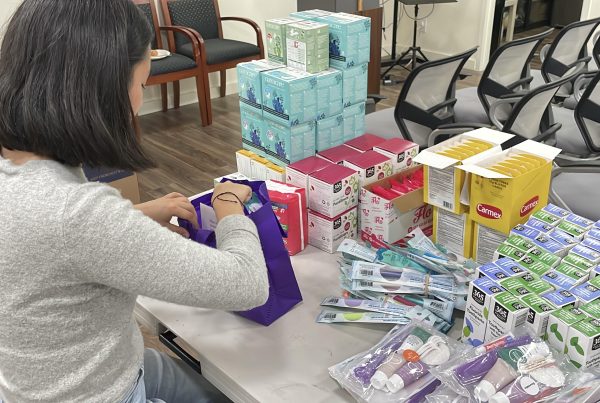
At GFoundation, we go beyond pledges to serve as a bridge that creates measurable change where it is needed most. From safeguarding the health and dignity of women and children through hygiene kit distributions (SDGs 3, 5, and 6) to empowering vulnerable single-parent families (SDGs 1 and 10) and strengthening local giving ecosystems, every initiative we lead is directly aligned with the UN SDGs.
A sustainable future cannot be built by governments and international organizations alone. It is only when local community engagement, Corporate Social Responsibility (CSR), and compassionate supporters come together that we can turn the promises of 2030 into reality.
Join GFoundation as a dedicated partner on this vital journey over the next four years. Your involvement has the power to transform an individual’s tomorrow and drive lasting impact for our communities and our planet.